
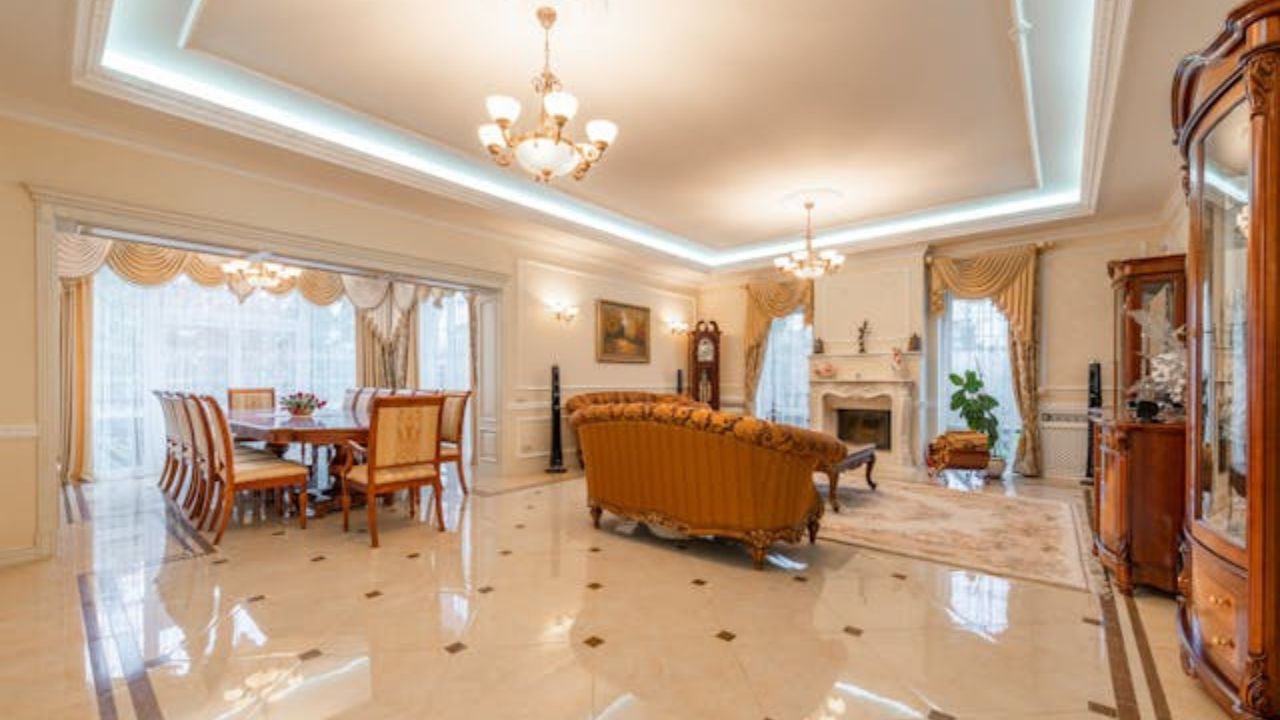
Incorporating vintage furniture into your décor is one of the most effective ways to create spaces full of personality. However, according to an analysis published by House Digest, there’s a subtle line between nostalgic charm and excess — and understanding this boundary is essential to achieving visual balance and harmony.
+ Fringed sofas: theelegant return of a forgotten classic in interior design
According to experts consulted by House Digest, the ideal proportion to maintain a contemporary look is 80% modern pieces and 20% vintage items. This formula allows the space to have authenticity and history without looking like an antique shop. “The secret is to use vintage as a focal point, not as the foundation of the entire décor,” explain the designers cited in the publication.
But before following any rule, it’s important to remember that style is personal. As highlighted by the House Digest article, if your goal is to furnish your entire home with old pieces, go ahead — décor should reflect who you are. Still, finding the balance between new and old can help maintain a light and current atmosphere.
Retro, vintage, and antique: understanding the differences
A common mistake in decorating is confusing these three styles. As House Digest explains, retro is not the same as vintage or antique. Retro refers to something new but inspired by the past, created to reproduce the design of previous eras — as seen in today’s trend of furniture with vintage-inspired designs. Vintage, on the other hand, refers to pieces that are 20 to 99 years old, while antiques are over 100 years old and considered true relics.
This distinction is essential, as mixing retro and antique pieces can produce different results: retro adds a playful and modern touch, while antique brings sophistication and history.
Finding balance in practice
Although the 80% modern and 20% vintage ratio is widely accepted, some designers cited by House Digest suggest slight variations — for example, 25% vintage elements for those who want a bolder effect. For homes with a more classic style, the formula can even be reversed, working with 60% vintage furniture, especially when aiming for a more traditional and welcoming look.
For those passionate about antique pieces and seeking a sustainable approach, some even advocate the opposite: 80% vintage and 20% modern. This approach is ideal for collectors of historic furniture brands or anyone wishing to reduce the use of new materials.
Avoid excess and preserve harmony
The House Digest article also emphasizes that the biggest mistake is making the space feel cluttered. Even in maximalist designs, it’s crucial to maintain breathing room and visual coherence. Carefully selecting each piece and ensuring that the layout enhances the functionality of the space are key to maintaining a balanced and refined aesthetic.
The publication reinforces that, ultimately, the ideal ratio is the one that reflects your lifestyle. Vintage furniture should tell stories and evoke memories, but without compromising comfort and spatial flow.
Source: House Digest. This content was created with the help of AI and reviewed by the editorial team.
