
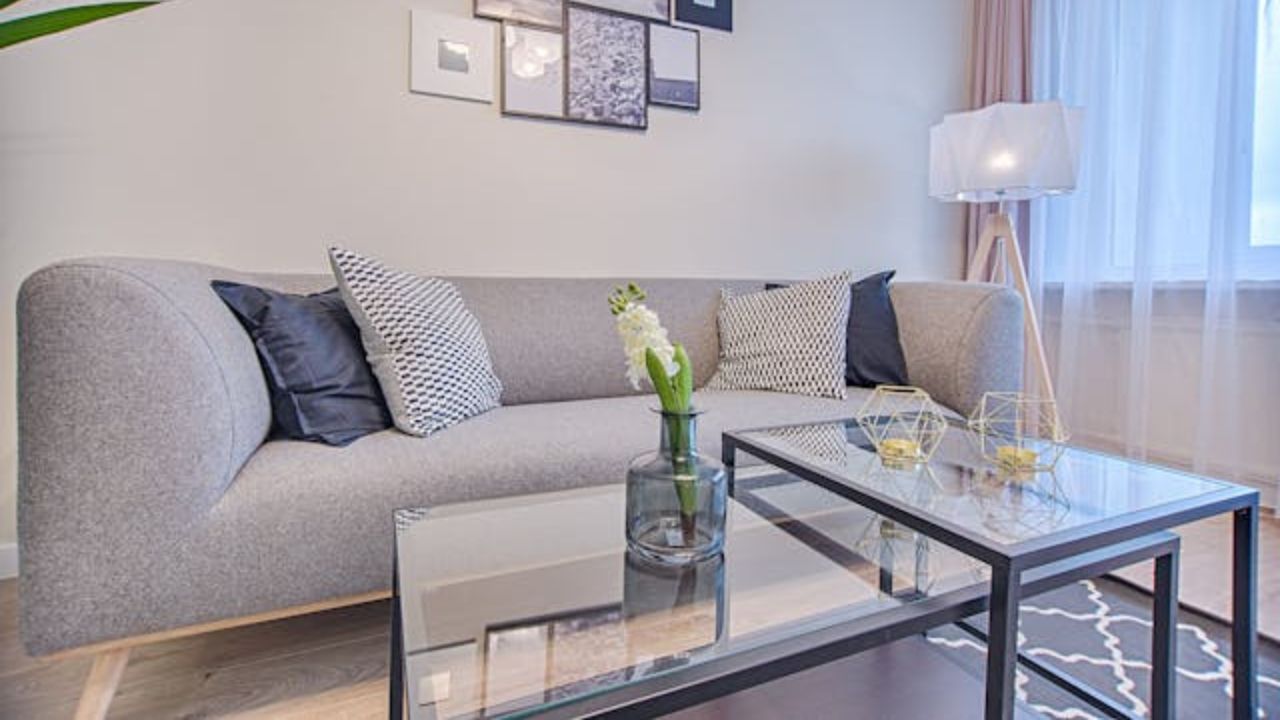
Have you ever tried to strategically style a shelf or your home, taken a step back, and felt like something wasn’t quite right? You like the overall color scheme and each individual piece, but together, everything just seems off.
What might be wrong with the decor? I’ll tell you: it’s the symmetry. Sometimes, when a space feels too symmetrical, it can convey a sense of stiffness and artificiality. That’s exactly where the 3-5-7 rule in decorating comes into play — a smart interior design technique that helps avoid the dreaded mistake of being “too matchy-matchy.”
+ These 5 Rug Colors Will Go Out of Style in 2025, According to Interior Design Experts
“The 3-5-7 rule is based on the idea that odd numbers of objects (ideally 3, 5, or 7) are visually more engaging and attractive than groups made up of even numbers,” explains interior designer Jamie Gernert.
The intentional use of odd numbers in design promotes planned asymmetry, making a space feel more dynamic, welcoming, and authentic. As designer Alana Marie points out to the portal Livingetc, “odd numbers tend to create more visual interest and also work as focal points.”
If you’re worried that asymmetry or using odd numbers might make a space feel unbalanced, don’t worry. In fact, this technique can contribute to a greater sense of balance in interior design. Here’s how to apply it.
This doesn’t mean there’s no room for symmetry in design — quite the opposite. However, the problem with making everything too symmetrical is that when one element is slightly out of place, it can disrupt the room’s harmony.
“If you have a living room with sofas of the same size and a coffee table between them, the space will feel incomplete if one sofa has a side table and the other doesn’t,” explains designer Alana Marie. “On the other hand, if there are two armchairs across from the sofa, a side table can be placed differently without feeling like something’s missing.”
This way, the space remains intentionally asymmetrical but balanced — exactly as the 3-5-7 rule in decorating suggests.
When to use the 3-5-7 rule in decorating
On the coffee table
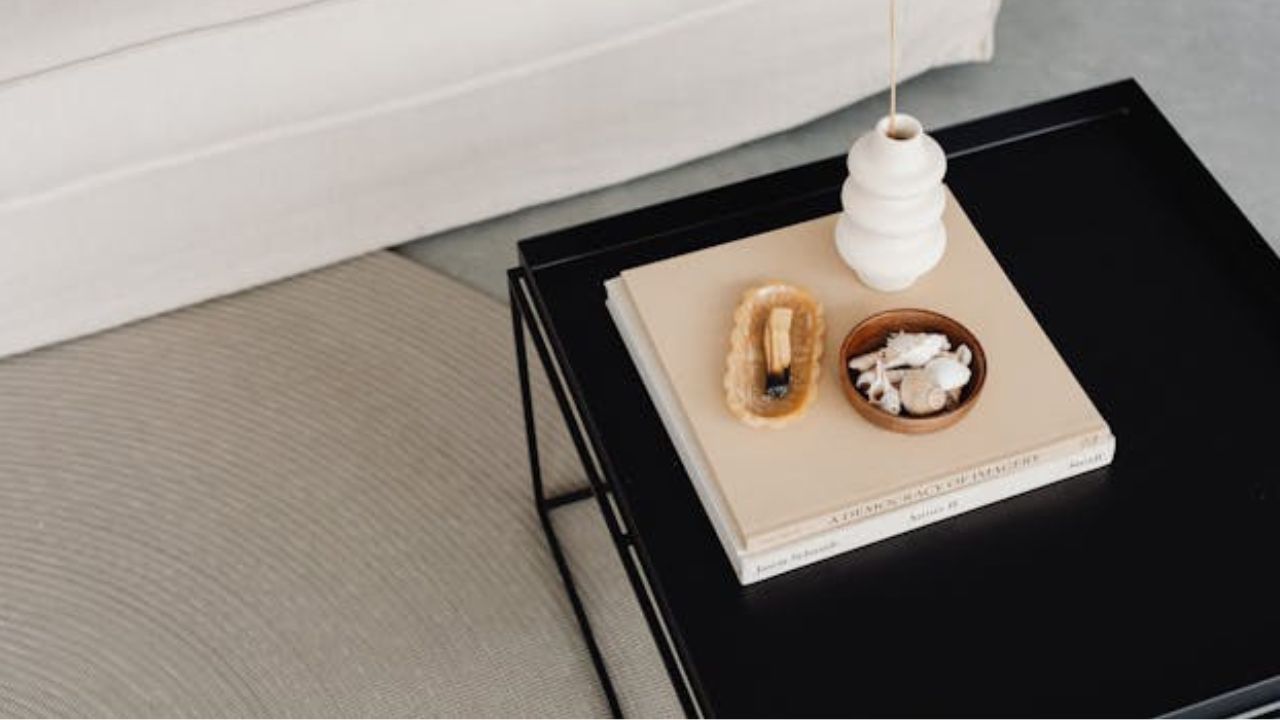
While the 3-5-7 rule can be applied to any room, it’s even more effective and transformative when used on a smaller scale, Jamie explains.
A classic example is styling a coffee table. “Usually, this is a small surface that doesn’t hold many objects,” Jamie notes, making it perfect for applying the 3-5-7 rule.
Jamie suggests stacking three or five books, adding a vase, some candles, and even a decorative tray. Arranging these items in odd-numbered groups creates an asymmetrical yet balanced setup that enhances the entire living room aesthetic.
On a bookshelf
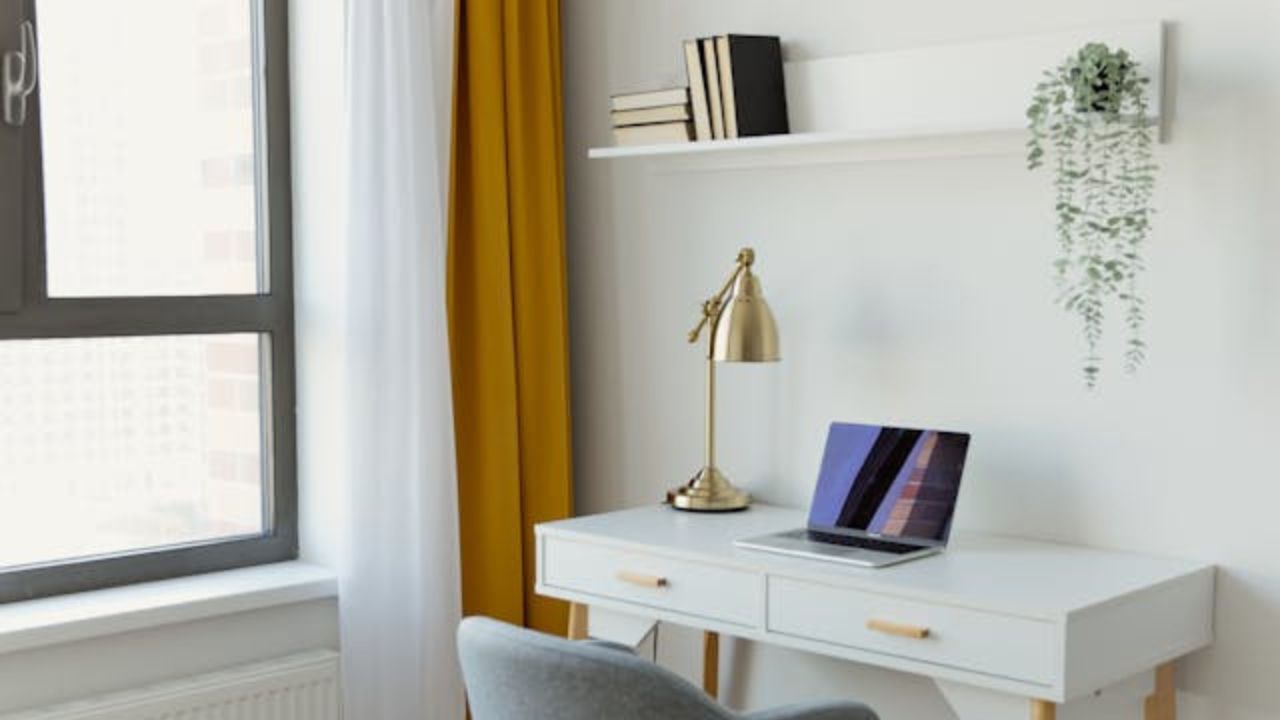
Another great place to apply the 3-5-7 rule in decorating is on bookshelves or wall shelves. While you can simply line up books, if you opt for decorative items, a messy layout can turn the shelf into a visual eyesore.
This is where the 3-5-7 rule makes all the difference — using groupings in odd numbers creates cohesion and adds visual interest both on individual shelves and in the overall arrangement.
Jamie recommends paying attention to details like color, shapes, materials, and scale to create visually appealing compositions. And of course, don’t forget spacing.
“Even if you have a large bookcase, that doesn’t mean it has to be completely filled,” he adds. “The key is to leave space between groupings to generate even more visual interest.”
On a bed or sofa
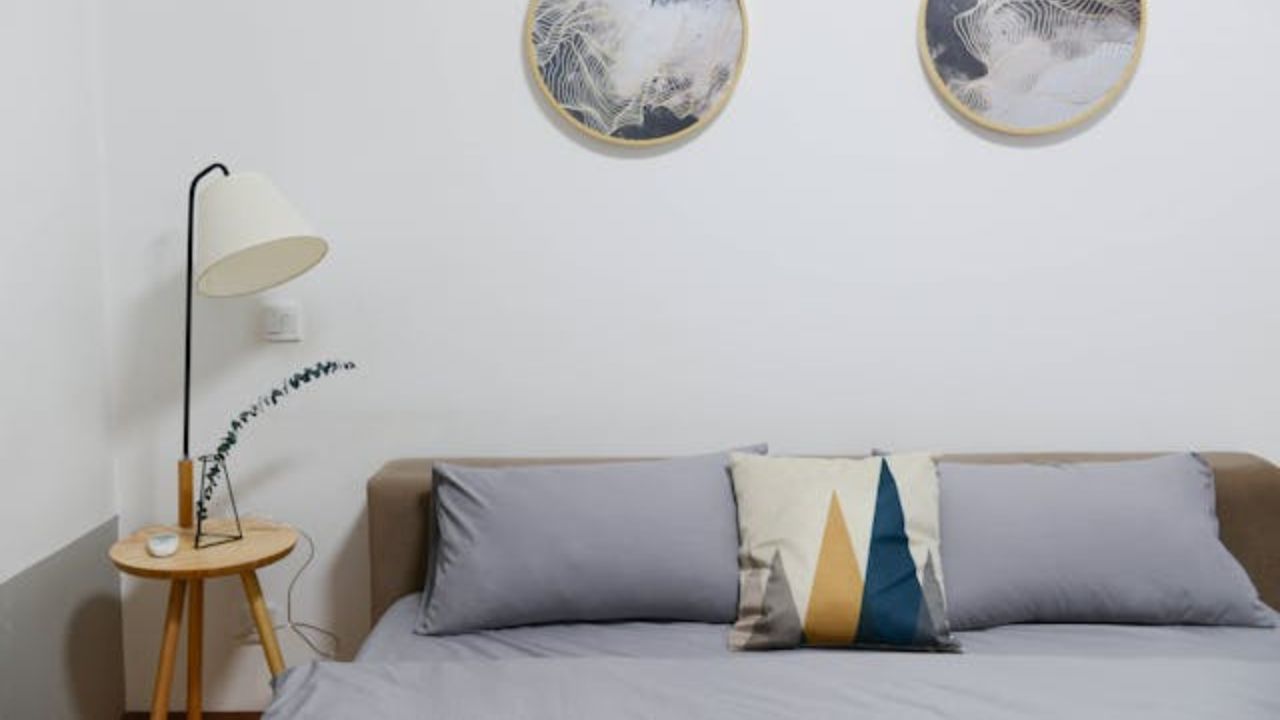
Decorative pillows, whether on a bed or a sofa, are another perfect opportunity to use the 3-5-7 rule. Instead of arranging pillows in a perfectly uniform way, shift one of them and create purposeful asymmetry that draws the eye.
Jamie emphasizes that aspects like size and scale are key when applying the 3-5-7 rule, so when choosing pillows, embrace variety.
A lumbar pillow paired with two square ones can create a balanced effect, just like two square, two rectangular, and one round pillow. And when arranging the pillows, think of an order that feels more organic and inviting, avoiding an overly matched look. This will make the space feel more cohesive, even with subtle differences.
When to avoid the 3-5-7 rule in decorating
While the 3-5-7 rule is ideal for creating visual interest and uniqueness, there are times when designers advise against using it — especially when symmetry is a priority.
For example, in formal dining rooms, symmetry is essential to maintain aesthetic balance. “Normally, you want an equal number of chairs around the table,” Alana explains, and so the 3-5-7 rule doesn’t apply.
Jamie agrees, adding that “rooms with a more traditional or classic style may require more symmetry.”
This doesn’t mean the 3-5-7 rule is completely unsuitable for these spaces. It can be used subtly — for example, as a concept for a centerpiece or wall decor. Odd numbers always add aesthetic value, as long as they’re used strategically.
In the end, the 3-5-7 rule in decorating aims to create balance through asymmetry — whether you’re working on a large or small scale.
It encourages a thoughtful curation of decorative elements, helping your space feel more authentic and inviting.
To get started, Alana and Jamie recommend choosing a focal point and then building cohesion using groupings with odd numbers.
Source: Livingetc
This content was created with the help of AI and reviewed by the editorial team.
