
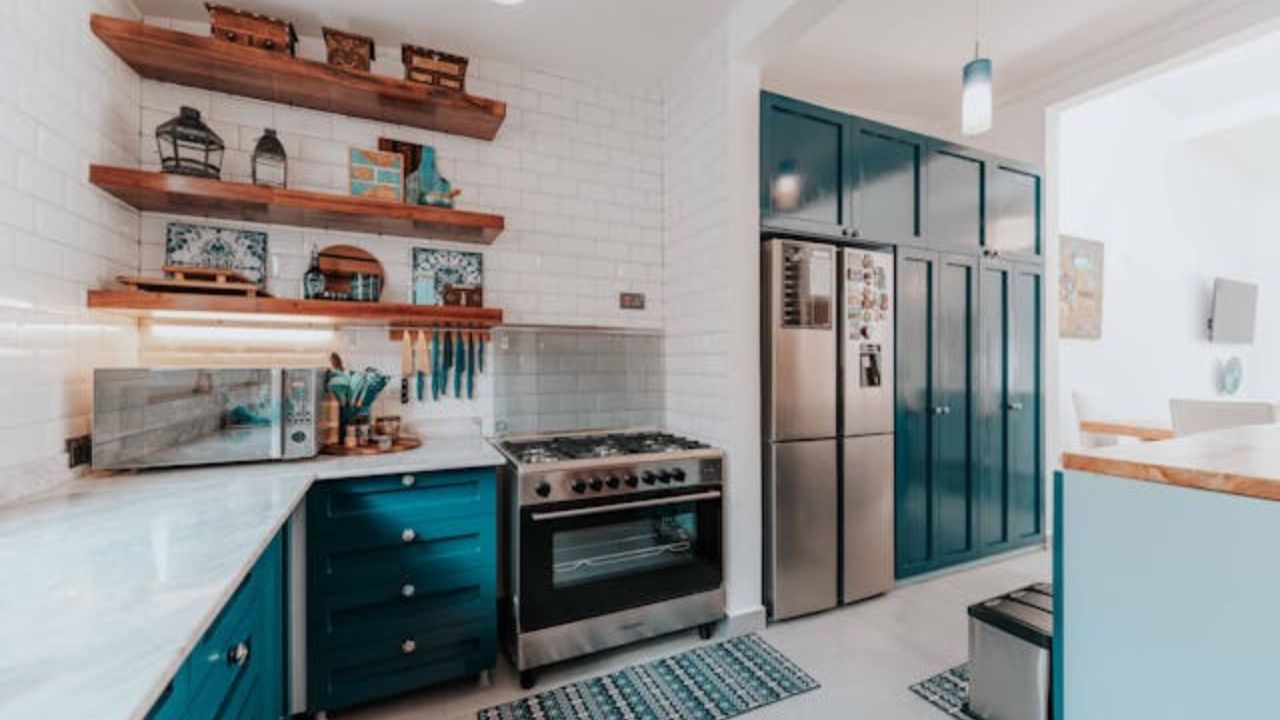
Kitchen design trends evolve every year, reflecting changes in behavior, routines, and priorities within the home. For 2026, one concept is gaining momentum and moving beyond being merely aspirational: the kitchen designed for well-being and everyday quality of life.
+ 6 things cleaning professionals always keep out of sight when guests are over
More than aesthetics, the focus is now on creating a kitchen that encourages healthy habits, emotional comfort, and togetherness. According to analyses from the interior design sector, the kitchen is increasingly seen as an environment as welcoming as the living room — a place where cooking, conversation, and daily life connect in a more organic way.
Residential design experts highlight that functionality and comfort are at the center of decisions for 2026 projects. In an interview with The Kitchn, designer Ashley Macuga, founder of Collected Interiors, reinforces that the true value of a good project goes beyond the property itself, directly impacting everyday well-being and family dynamics — a perspective widely discussed in specialized publications such as House Digest.
What defines a functional, well-being-focused kitchen in 2026
The concept of a functional kitchen in 2026 is directly linked to health — both physical and emotional. The idea is to remove obstacles that make a balanced eating routine difficult and to include solutions that encourage more conscious daily choices.
In practice, this translates into:
- Easy access to fresh foods
- Layouts that promote smooth circulation
- Appliances with functions that preserve nutrients
- Efficient food preparation areas
- Seating designed to encourage social interaction
While the visual style may vary depending on the home’s design, they all share the same principle: every element has an intentional function, contributing to a smoother and healthier experience.
Sustainability and togetherness: two pillars of the trend
Another reason well-being-focused kitchens are gaining prominence is their sustainable impact. By prioritizing fresh ingredients, the consumption of ultra-processed foods and disposable packaging is reduced, aligning design choices with environmental concerns.
In addition, more open layouts, with multiple work areas and seating options, make the space more inviting for hosting guests. The kitchen is no longer just a functional area and takes on a central role in the home’s social life — an approach increasingly valued in contemporary projects analyzed by outlets such as House Digest.
How to design a well-being-focused kitchen
One of the great advantages of this trend is its aesthetic flexibility. It can be adapted to both modern and more classic projects, as long as a few key points are considered.
Fresh foods within the kitchen
In 2026, two solutions stand out:
- Residential hydroponics, allowing herbs such as basil, mint, and rosemary to be grown directly on countertops
- Humidity-controlled storage systems, replacing traditional pantries and extending the shelf life of foods
These choices make it easier to buy local products and reduce waste.
Smart planning for preparation and preservation
With fewer packaged foods, the layout must follow this new rhythm. Refrigerated drawers in the island emerge as a practical solution for keeping ingredients fresh and improving efficiency during meal preparation.
Appliances designed for better cooking
Functions such as steaming and air frying are gaining space because they preserve nutrients and enhance flavors, becoming healthier alternatives to the traditional microwave.
The kitchen as a space for connection
Finally, projects in 2026 will be designed with togetherness in mind. Countertops with seating facing preparation areas, multiple support points, and fluid circulation allow several people to cook, talk, or simply share the moment.
More than an aesthetic trend, this approach reflects a shift in mindset: the kitchen as the true heart of the home, where well-being, functionality, and design move forward together.
Source: House Digest
This content was created with the help of AI and reviewed by the editorial team.
