
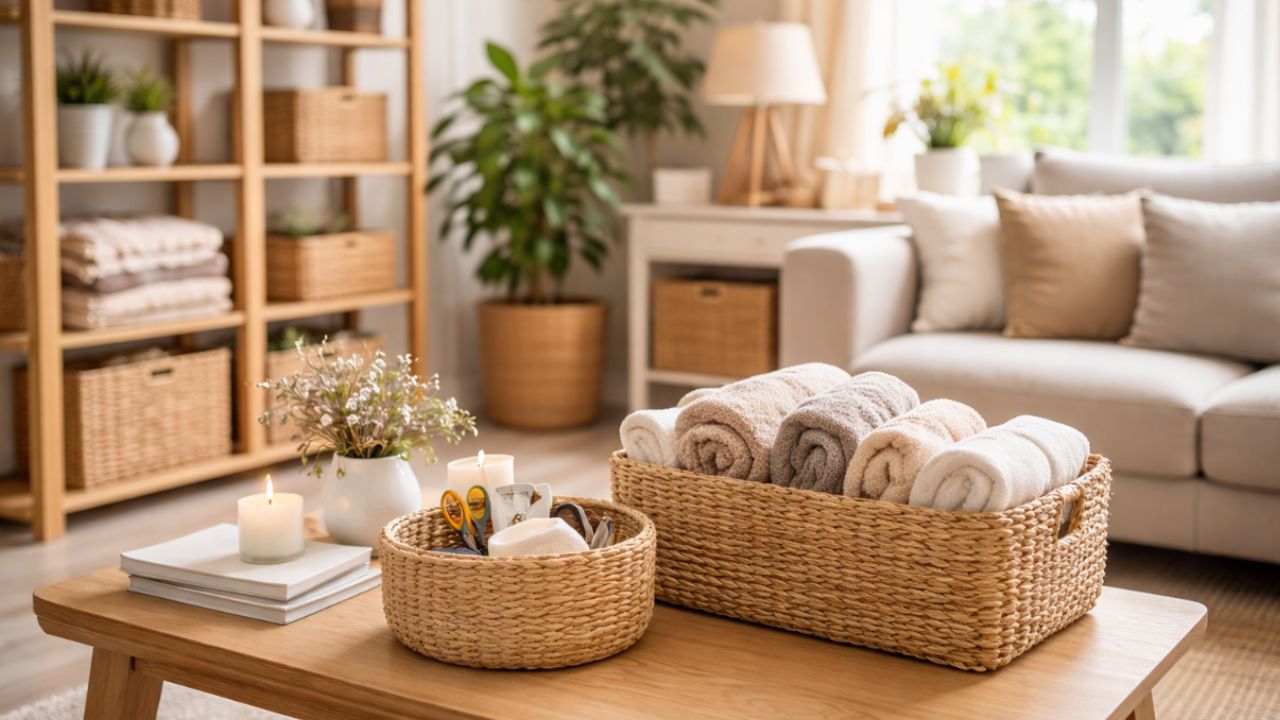
Like many people, you may have written down “organize my home” as one of your top New Year’s resolutions. But before running around the house trying to get rid of everything at once, it’s worth slowing down and adopting a more strategic approach.
+ Feng Shui and plants: where the jiboia enhances harmony and tranquility
According to House Digest, preparing your home for the New Year works best when organization happens as a kind of countdown — focused on specific zones and clearly defined steps, rather than an exhausting whole-house cleanout.
This method helps you regain control of your space without the feeling of overload. Instead of tackling the entire house at once, the idea is to divide rooms into smaller areas and work on them within a set period of time. That way, when January arrives, you can already envision a home that feels more organized, functional, and mentally lighter. After all, when clutter takes over every corner, even thinking about practical solutions can feel impossible — and that’s exactly when the countdown becomes a powerful ally.
According to a recent survey cited by House Digest, many Americans see the New Year as the ideal opportunity for a fresh start, especially when it comes to home organization. Most respondents said they dream of a clutter-free home but struggle to know where to begin. The organization countdown solves this problem by turning one large task into several small, achievable goals.
This method works because it creates a flexible schedule and clearly defined zones, making it easier to stay focused and track progress. Just as anticipation builds as the New Year approaches, each organized space generates a constant sense of accomplishment. This feeling of progress reduces procrastination and increases motivation to keep going.
How to create your own clutter-free countdown
When creating a countdown to a more organized home, there are no rigid rules. As House Digest points out, the most important thing is to choose one area at a time and work on it until you’re satisfied with the result. The duration can vary depending on your routine: some people prefer to spread tasks over several days, while others opt for shorter sessions concentrated into a few hours.
For example, the kitchen can be organized in stages — one day for cabinets, another for drawers, and another for the pantry. Writing these tasks down and crossing them off as they’re completed helps make progress visible and more rewarding. Another effective strategy is to combine the countdown with focus techniques, such as working in defined time blocks, which helps prevent mental fatigue and burnout.
While this zone-based approach is extremely effective for ensuring no space is forgotten, it depends on realistic goals. House Digest emphasizes the importance of being specific: instead of “organize the bedroom,” think of smaller tasks, such as one drawer, one shelf, or a stack of papers. Clear, achievable goals make the process lighter and more sustainable.
Each completed area can — and should — be celebrated as a small victory before moving on to the next. Even if the initial plan feels too ambitious, adjusting the pace is part of the process. By removing clutter little by little, you create a system that truly works for your lifestyle, setting the stage for a more organized, functional, and peaceful year.
Source: House Digest. This content was created with the help of AI and reviewed by the editorial team.
