
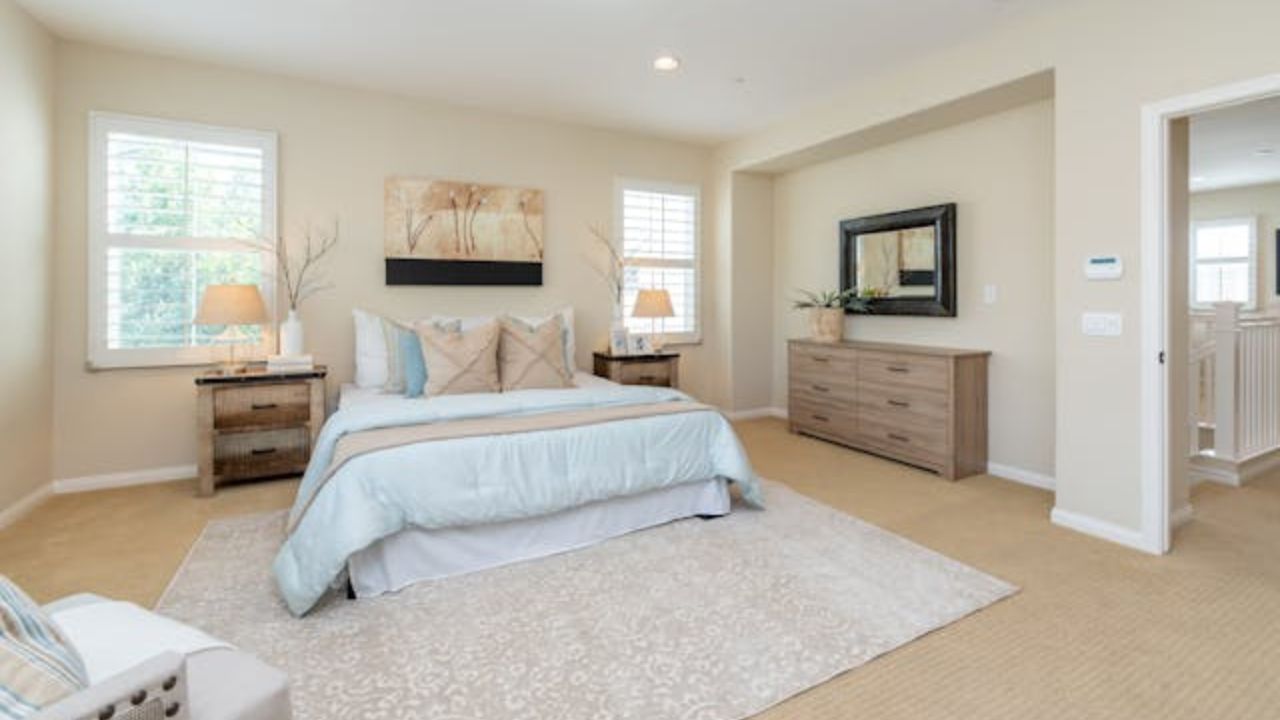
If you’re looking for more restful nights and lighter mornings, it might be time to rethink your bedroom color palette.
That’s because color plays a fundamental role in how we feel — and it can directly affect sleep quality, relaxation, and even your mood upon waking.
According to chromotherapy and neuroscience studies, certain tones convey calm, coziness, and serenity, helping the body and mind transition into rest mode. Others, on the other hand, stimulate energy and are not recommended for sleeping spaces.
1. Light Blue: the color that calms the mind
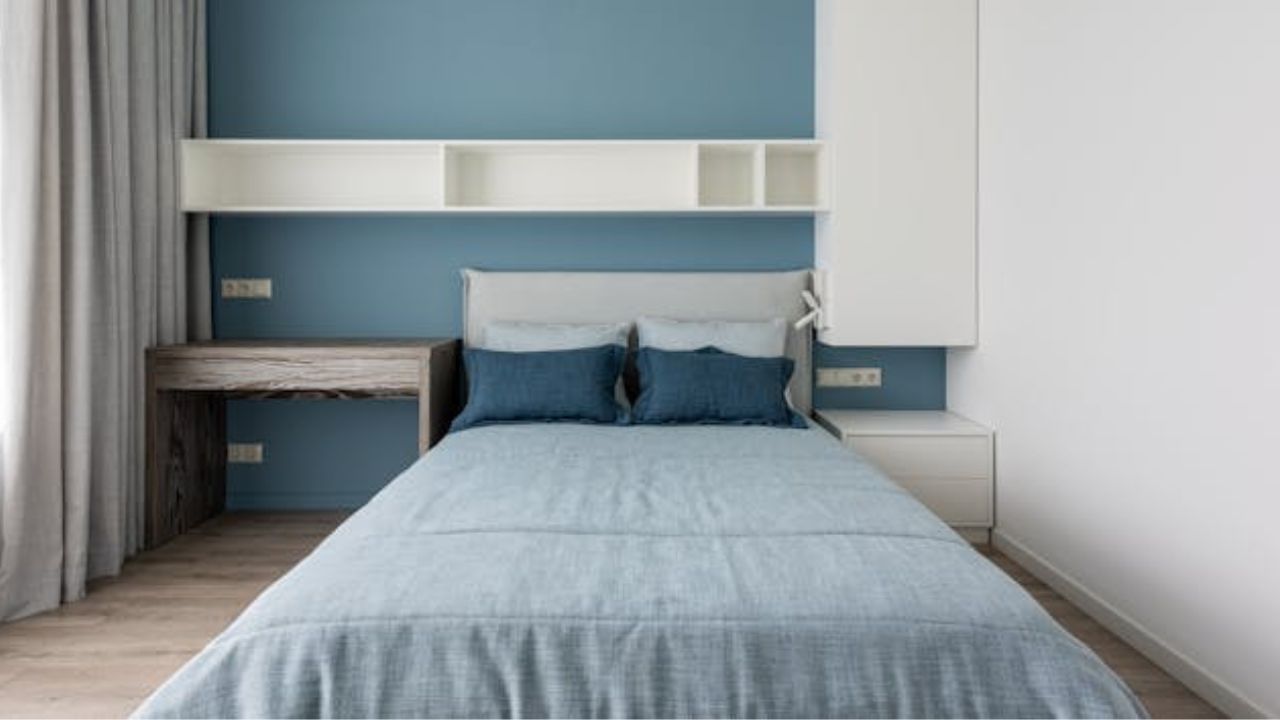
Soft shades of blue top the list when it comes to tranquility. They help reduce heart rate, ease stress, and create a peaceful atmosphere. It’s ideal for people who suffer from insomnia or anxiety, as it evokes a sense of clear skies and fresh air.
2. Mint or Olive Green: balance and connection with nature
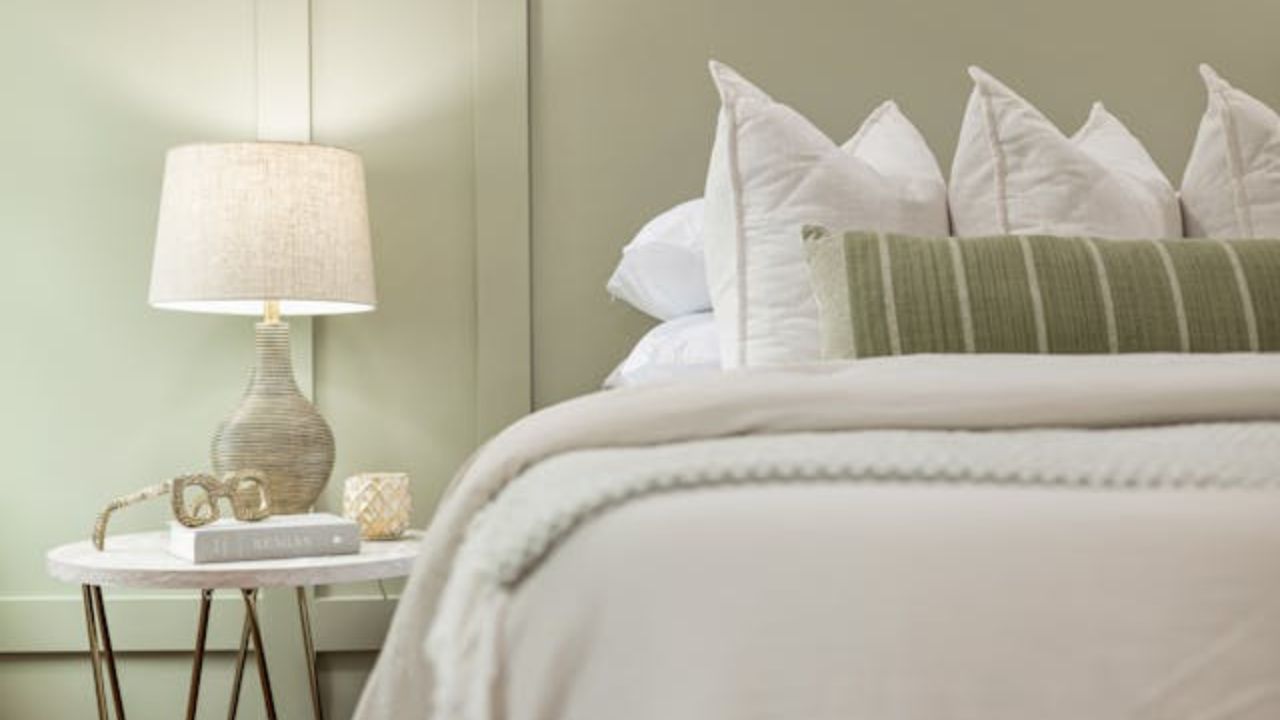
Light green tones remind us of nature and promote emotional balance. They help you relax without making the room feel dull. Mint and olive green are perfect for creating a light and fresh bedroom vibe.
3. Neutral Tones: beige, sand, and light gray
These colors serve as a cozy and timeless base. Neutral tones bring calm and are easy to pair with any décor style. When combined with soft textures like linen or cotton, they create the perfect environment for rest.
4. Blush or Dusty Pink: emotional comfort
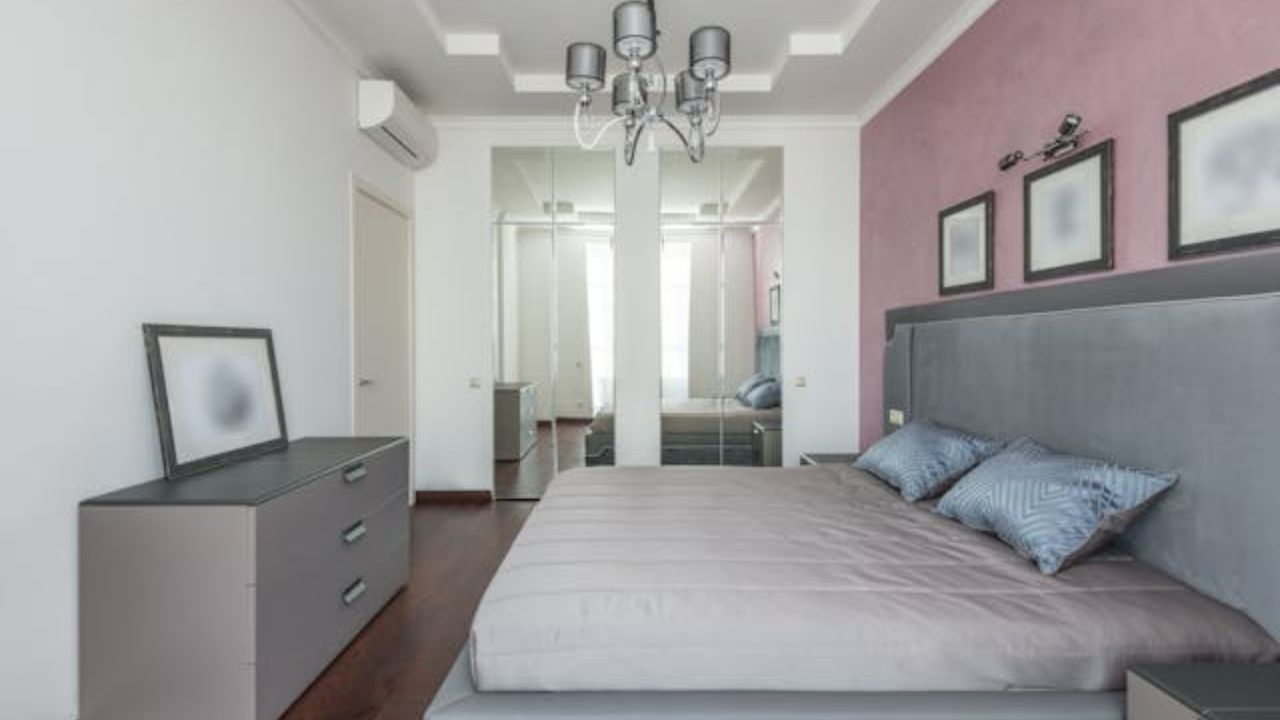
Soft shades of pink, such as blush or dusty pink, promote feelings of warmth and care. They’re great for creating an emotional sanctuary and help encourage a lighter, more optimistic morning.
5. Pastel Yellow: wake up in a good mood
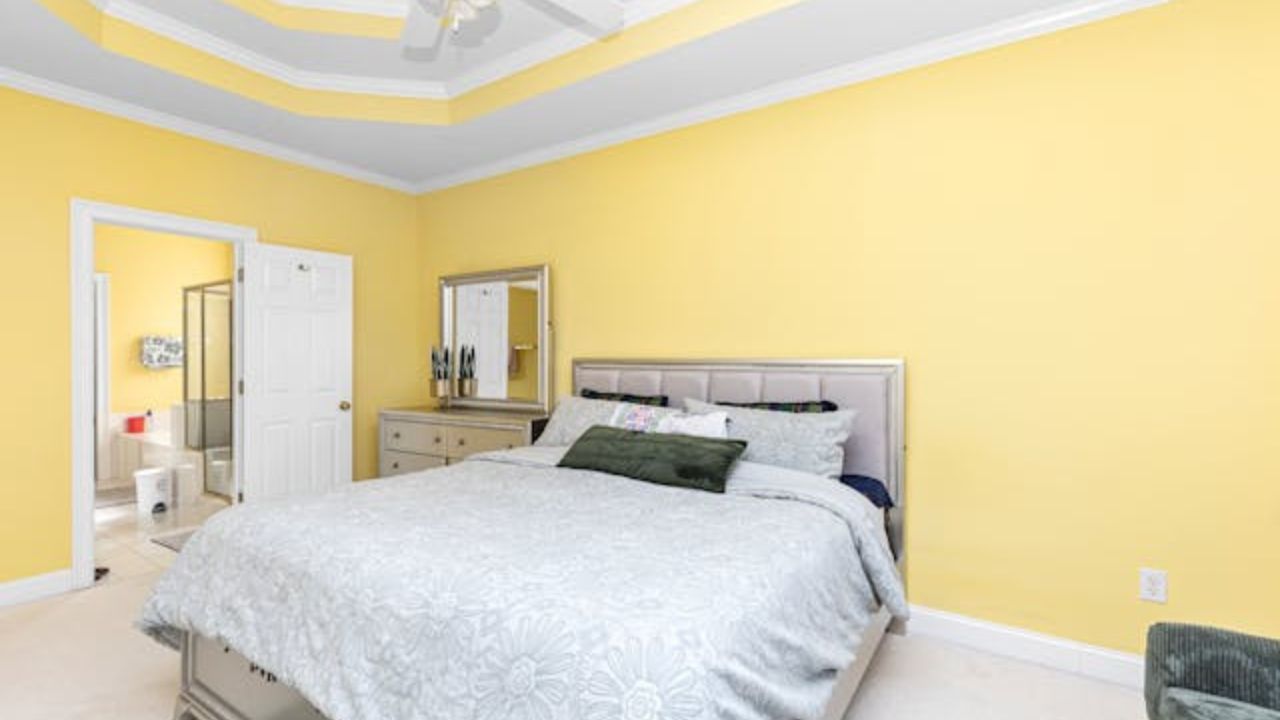
While yellow is typically an energizing color, softer tones like pastel yellow can mimic the gentle glow of morning sunlight. This color helps you wake up feeling cheerful and motivated — without disrupting sleep, as long as it’s used in moderation.
Avoid these colors in the bedroom:
- Bright red and orange: overstimulate the brain and hinder relaxation.
- Too much black: can make the space feel heavy and oppressive.
- Very neon or fluorescent colors: cause agitation and interfere with deep sleep.
Bonus tip: combine color + lighting
The right colors work even better when paired with soft, indirect lighting like warm bulbs, bedside lamps, or candles. This creates a sensorially balanced environment that encourages melatonin production and restorative sleep.
Photos: Pexels. This content was created with the help of AI and reviewed by the editorial team.
