
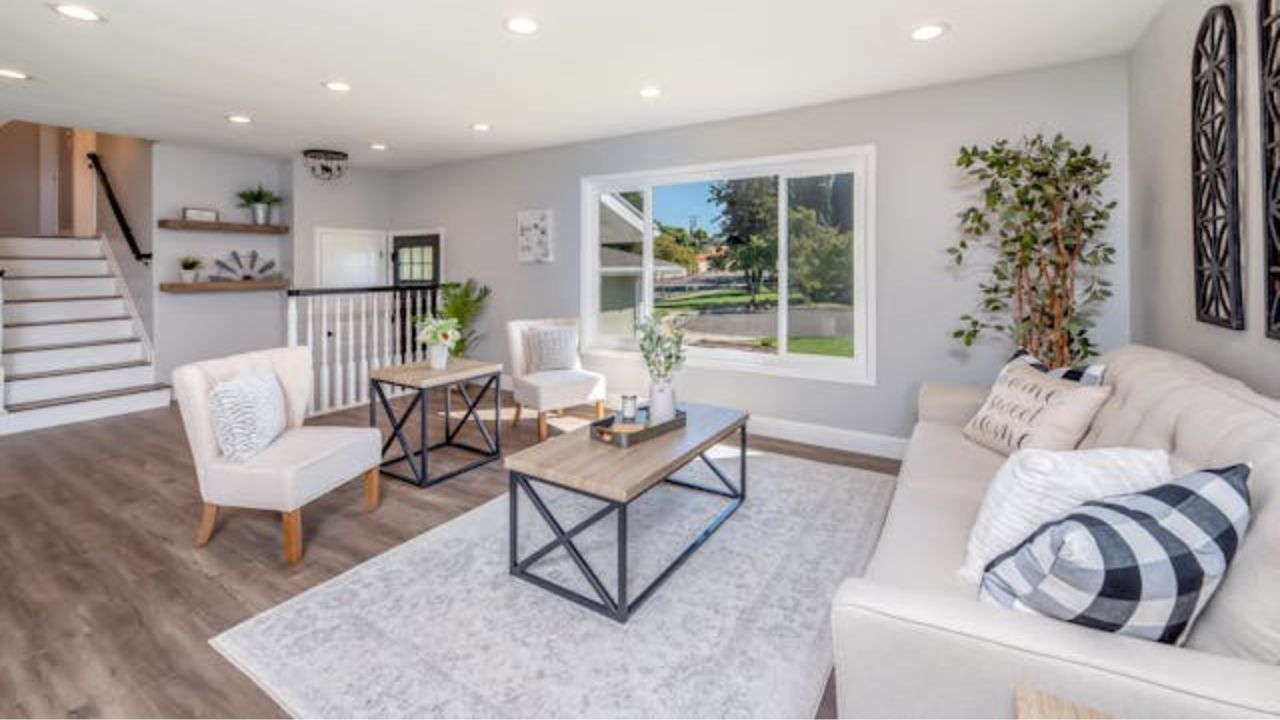
When it comes to decorating a functional, beautiful, and well-balanced living room, the details make all the difference. That’s where the so-called 10-centimeter rule comes in — a simple yet highly effective trick that top interior designers use to ensure proportion, flow, and visual comfort in the space.
+ The mistake that can compromise the charm of your vintage bedside table
This small measurement can completely transform the way your living room furniture relates to each other and to the surrounding space.
If you’ve ever felt like your living room feels “off,” even with beautiful furniture and elegant decor, the problem might not be the style but rather the arrangement of elements. And that’s exactly where the 10 cm work their magic.
What is the 10-centimeter rule?
The 10-centimeter rule is a placement guideline used to align and space furniture and objects strategically, creating a sense of breathing room and harmony in the space. This measurement is especially useful when:
- Pulling sofas or armchairs away from the wall;
- Positioning rugs in relation to furniture;
- Aligning frames and shelves;
- Determining the distance between coffee tables and seating;
- Creating smooth circulation in small spaces.
Although it may seem like a minor detail, leaving at least 10 cm between furniture and walls or between key pieces ensures a lighter, more sophisticated, and functional layout. It’s space that “lets the house breathe,” as we often say in interior design.
Why apply the 10 cm rule in the living room?
In practice, this technique solves some of the most common mistakes in residential layouts, such as:
- Sofas pushed against the wall, which visually flattens the space;
- Poorly placed rugs that disconnect the room visually;
- Frames hung too high or misaligned, causing visual discomfort;
- Lack of circulation space, which affects daily comfort.
By pulling the sofa 10 cm away from the wall, for example, you create depth and avoid that cramped feeling. Placing the coffee table about 10 cm from the seating allows for easy access without disrupting movement. When it comes to vertical decor, keeping this distance between frames or shelves adds visual rhythm and makes the composition much more elegant.
How to use the 10 cm rule in different situations
- Sofa and wall: avoid placing the sofa flush against the wall. A 10 to 15 cm gap already gives the piece more lightness and prominence.
- Coffee table and sofa: ideally, maintain a 10 to 20 cm distance between them for functionality and comfortable movement.
- Rug and furniture: make sure the rug “hugs” the furniture without touching it completely — leaving 10 cm between edges makes for a more organized look.
- Wall art: if you’re creating a gallery wall, keep 8 to 10 cm between each piece to avoid overwhelming the eye.
- Shelves and decorative objects: using this margin helps maintain proportion between objects and creates a more balanced décor.
A well-designed living room starts with the details
It may seem like a small thing, but in interior design, little spaces make a big difference. Applying the 10-centimeter rule is a smart and accessible way to elevate your décor, even without renovations or major investments.
This trick is used by professionals to create cozy, well-structured living rooms with natural flow. It works in both large and small spaces, precisely because it optimizes layout without making the environment feel heavy.
If you want a more harmonious, elegant, and inviting living room, start by adjusting these small spaces. And remember: in design, every well-thought-out centimeter transforms the home experience.
This content was created with the help of AI and reviewed by the editorial team.
