
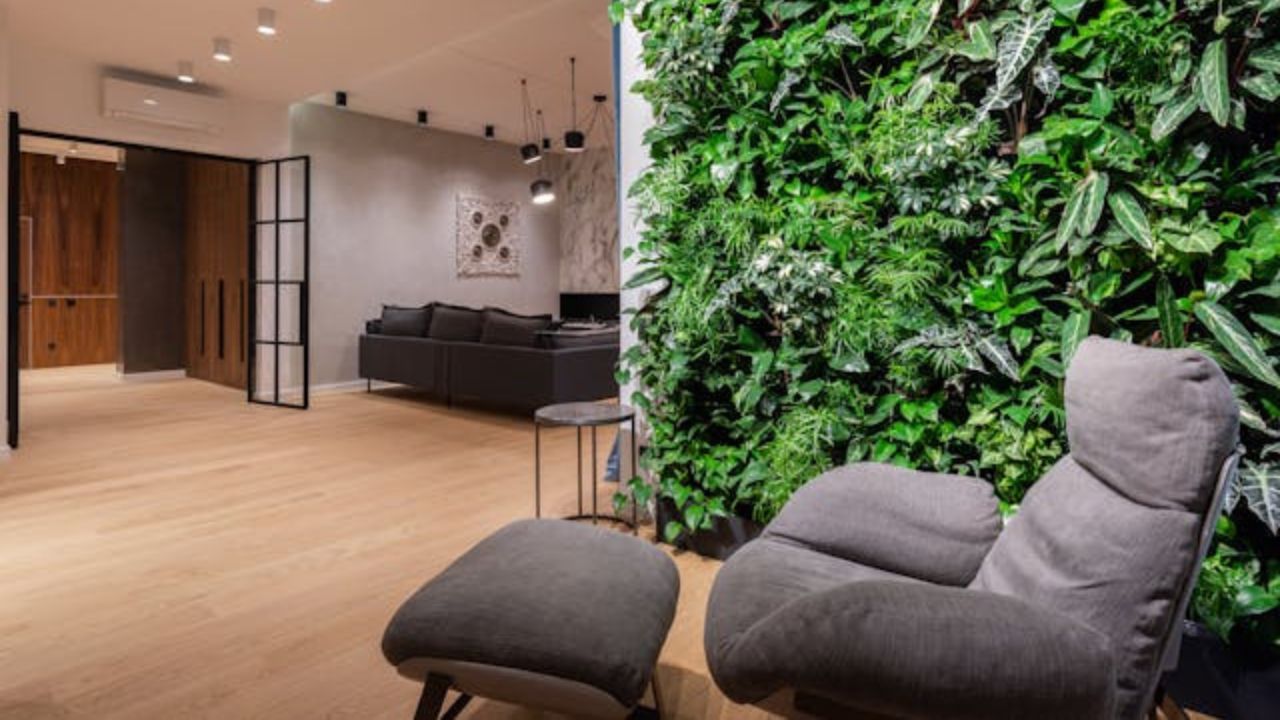
Have you ever walked into a space that felt tailor-made for your well-being? Where the lighting, colors, furniture, and even the silence seemed to embrace your body and calm your mind? That sensation has a scientific explanation and a name: neuroaesthetics.
+ The Feng Shui of Fear: Where Your Anxiety Hides in Your Home
Neuroaesthetics is revolutionizing interior design by combining neuroscience, psychology, and aesthetics. More than just creating beautiful homes, neuroaesthetics seeks to design environments that are emotionally healthy, mentally restorative, and physiologically sustainable.
What is neuroaesthetics and why does it matter in interior design?
Neuroaesthetics is an interdisciplinary field that studies how sensory and aesthetic experiences influence brain function, emotions, and behavior. In interior design, it proposes creating spaces that positively affect the physical and mental well-being of their inhabitants.
Backed by scientific studies, this approach can transform ordinary homes into true sanctuaries of emotional well-being, promoting:
- Reduced stress and anxiety
- Improved sleep quality
- Enhanced mindfulness
- Increased productivity
- Greater emotional stability in daily life
And more: good design doesn’t have to be just functional—it can also be therapeutic.
Neuroaesthetics and mental health: how design affects your brain
Scientists use technologies like fMRI and EEG to study how visual stimuli—colors, textures, shapes, and lighting—activate brain areas associated with emotions and behavior. Organized, well-lit, and harmoniously proportioned environments can lower blood pressure, stabilize mood, and even reduce heart rate.
On the other hand, chaotic, dark, or poorly designed spaces can increase cortisol levels—the stress hormone—negatively impacting emotional health, even in luxuriously decorated homes.
The home as a well-being ally: the importance of neuroaesthetics at home
With the increase in time we spend indoors—over 90% of our lives, according to American data—our homes have become the main stage for emotions, memories, and daily routines. They are no longer just places to rest but are now integral to activities like work, leisure, self-care, and family connection.
Neuroaesthetics thus becomes an essential tool to create spaces that foster balance between body, mind, and spirit, positively influencing our mental health, productivity, and quality of life.
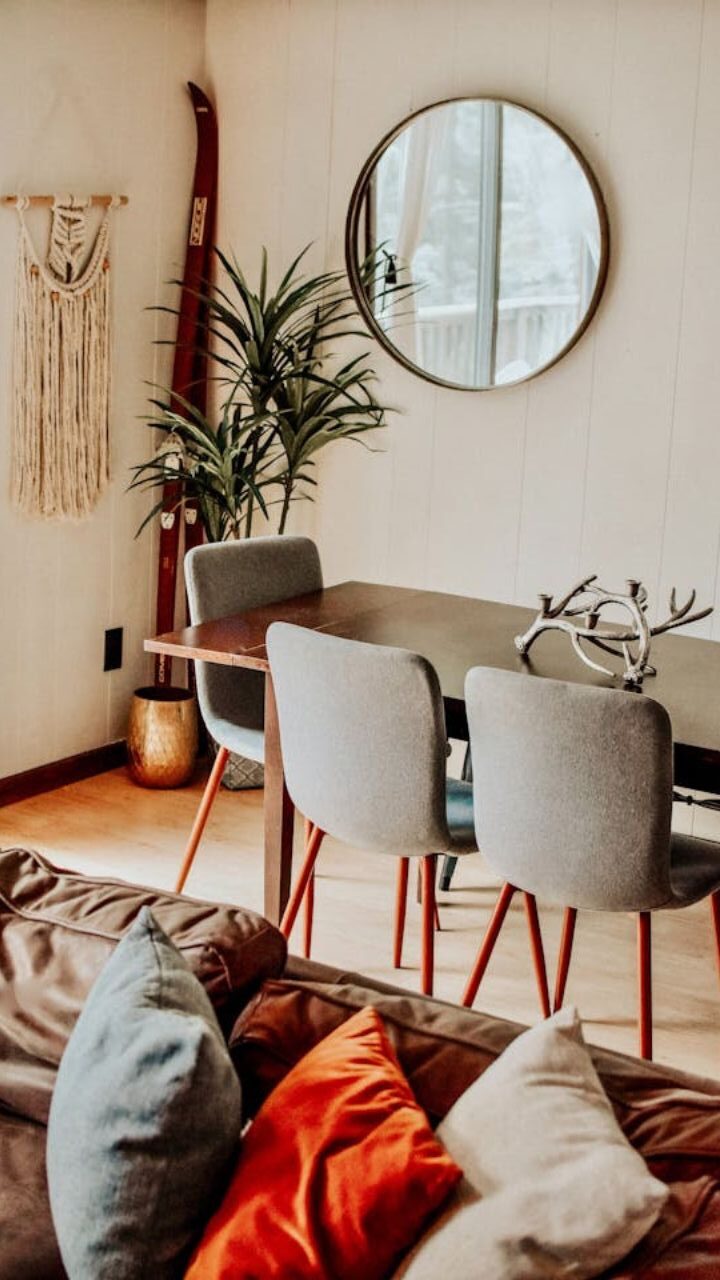
How to apply the principles of neuroaesthetics to your home décor
Below are the main concepts of neuroaesthetic design and how to use them to transform your home into a space that nourishes, calms, and inspires:
1. Biophilic design
Connect with nature indoors
- Use natural plants like peace lilies, pothos, and snake plants
- Opt for materials like wood, stone, bamboo, and natural fibers
- Incorporate water features or relaxing landscape artwork
- Take advantage of large windows and create green views whenever possible
Studies show that just 20 minutes of nature exposure significantly reduces cortisol, the stress hormone.
2. Color psychology
Colors that heal, energize, and balance
- Blue and light green: calming and sleep-enhancing (ideal for bedrooms)
- Orange and terracotta: energizing and creativity-boosting (great for living rooms and kitchens)
- White and pastels: visually enlarge small spaces
- Pair tones with the right lighting: warm light for coziness, cool light for focus
3. Circadian lighting
Light that respects your biological clock
- Prioritize natural light during the day
- Install smart systems that adjust light tones throughout the day
- Use warm light in the evening to prepare your body for sleep
- Consider skylights, sheer curtains, and temperature-adjustable fixtures
4. Tactile comfort
Textures that embrace the body and mind
- Wool blankets, velvet cushions, and linen curtains convey warmth
- Soft rugs provide tactile and visual comfort
- Inviting upholstery encourages touch and promotes relaxation
5. Emotional zoning
Each space with a clear emotional function
- Create focus areas with ergonomic chairs and cool lighting
- Design a “rest corner” with neutral tones, soft textures, and warm lighting
- Use furniture to define areas without walls, preserving visual flow
6. Spatial harmony and proportion
Symmetrical spaces reduce visual stress
- Opt for balanced layouts and rounded-edge furniture
- Avoid clutter and clashing colors
- Use the golden ratio as a guide to create naturally pleasing spaces
7. Sensory balance
Avoid overstimulating your senses
- Avoid excessive noise, harsh lighting, or conflicting textures
- Use soft scents like lavender or eucalyptus to calm the nervous system
- Balance stimulation and serenity in each room
8. Acoustic well-being
The right sound can be as therapeutic as silence
- Reduce noise with rugs, curtains, and upholstered furniture
- Install acoustic panels in echo-prone areas
- Create “quiet zones” for relaxation or reading
- Use nature sounds or calming playlists to encourage positive mental states
9. Personalization and emotional memory
Décor with soul and identity
- Display meaningful objects: travel pictures, heirlooms, old photos
- Mix styles and create emotional contrasts between modern and vintage
- Spaces with personal meaning activate brain areas linked to reward and happiness
Neuroaesthetics in practice: a future where living means self-care
Interior design is not just about looks — it’s applied neuroscience for quality of life. Every choice, from wall color to sofa placement, affects how you feel, think, and behave in your home.
By applying the principles of neuroaesthetics, you transform your home into a space that:
- Reduces stress
- Stimulates creativity
- Boosts productivity
- Strengthens your mental health
This is the new era of interior design with purpose.
Source: Purgula
This content was created with the help of AI and reviewed by the editorial team.
