
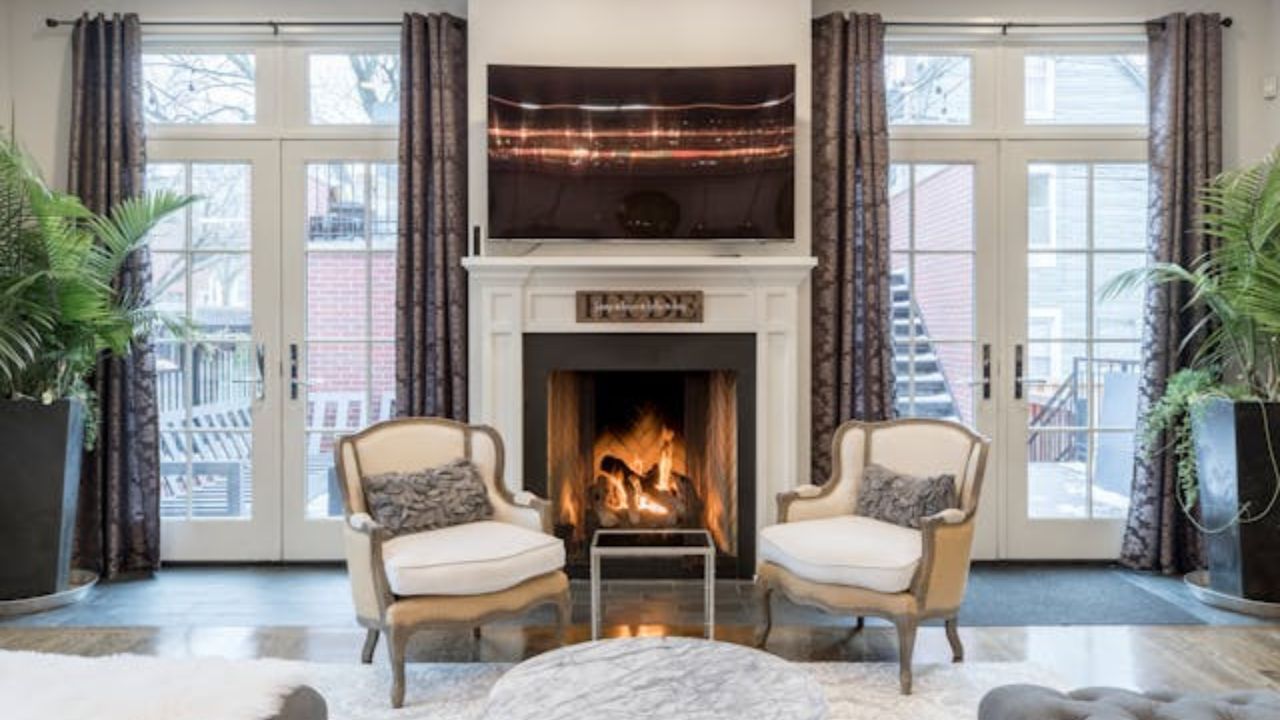
During the coldest months of the year, finding ways to stay warm at home without increasing your energy bill is a top priority for many people.
Fortunately, there are several smart strategies to help retain heat indoors, optimize thermal comfort, and reduce electricity or gas consumption — all without compromising style.
+ The truth about peel-and-stick tiles: 4 mistakes I only realized after a year
Below are practical and sustainable tips to keep your space cozy and save on heating costs.
1. Make the Most of Natural Sunlight
Sunlight is one of the most effective and free ways to naturally heat your home. During the day, keep curtains and blinds open on north- or west-facing windows (where the sun shines strongest) to let the rays warm the interior.
At night, close the curtains to retain accumulated heat. Heavier fabrics, like velvet or thick linen, help block out cold air and preserve indoor warmth for longer.
2. Invest in Thermal Curtains and Rugs
Thermal curtains are great allies for insulation, especially in colder regions. They block chilly drafts and prevent heat from escaping through windows.
Additionally, thick or wool rugs help insulate floors and keep your feet warm, creating an instant feeling of comfort. Cold flooring, such as tile or marble, can lower the room temperature quickly, so covering it makes a big difference.
3. Seal Doors and Windows
Small gaps are the main cause of heat loss in homes. Use sealing tape, draft stoppers, or even fabric rolls to block cold air from entering.
This simple measure can reduce heating consumption by up to 20% while improving both thermal and acoustic comfort.
4. Use Blankets and Fabric Layers
Nothing is cozier than a soft blanket on the sofa or an extra quilt on the bed. Beyond the decorative appeal, using multiple fabric layers helps trap body heat.
Combine microfiber, wool, or fleece blankets — lightweight but highly efficient materials — and transform your living room or bedroom into a winter retreat.
5. Rearrange Furniture Strategically
Avoid placing sofas or beds near windows or exterior walls, which tend to be colder.
Positioning furniture away from drafts and closer to heat sources (like heaters, radiators, or fireplaces) increases thermal comfort without raising the temperature.
Reorganizing your home’s layout can also improve air circulation, allowing warm air to spread more evenly.
6. Choose Warm Lighting
The color temperature of light also affects how warm a room feels. Bulbs with a warm tone (between 2700K and 3000K) create a cozy atmosphere and give a psychological sense of warmth — ideal for cold evenings.
Opt for floor lamps or table lamps with diffused light to visually warm the space and create a relaxing ambiance.
7. Use Candles and Scent Diffusers
Beyond decoration, scented candles emit warmth and create a cozy atmosphere. Scents like vanilla, cinnamon, and sandalwood evoke comfort and well-being — perfect for winter.
Electric diffusers with warm essences also help keep the air pleasant and slightly heated — a charming and functional alternative.
8. Cook More at Home
The heat from your oven and stove can help warm the kitchen and nearby areas. Preparing soups, roasts, and teas not only raises the indoor temperature but also brings emotional comfort.
Take advantage of the steam and residual heat from cooking to enhance the cozy feeling on cold days.
9. Use Electric Rugs and Blankets with Caution
For very cold rooms, electric rugs and blankets can be a good solution, as long as they’re used safely and moderately. They warm up quickly without the need to heat the entire space — reducing energy consumption.
Always turn them off before sleeping and follow the manufacturer’s instructions.
10. Invest in Thermal Insulation
For those looking for a long-term solution, thermal insulation is the best investment. Installing insulating panels in ceilings, wall coverings, or double-glazed windows prevents heat loss and improves comfort year-round — including in summer, by keeping the home cooler.
Staying warm at home without increasing your heating costs is possible with small, smart changes. Choose thermal materials, cozy fabrics, and insulation strategies. In addition to saving money, you’ll make your home more comfortable, functional, and sustainable — ready to face winter with elegance and warmth.
This content was created with the help of AI and reviewed by the editorial team.
