
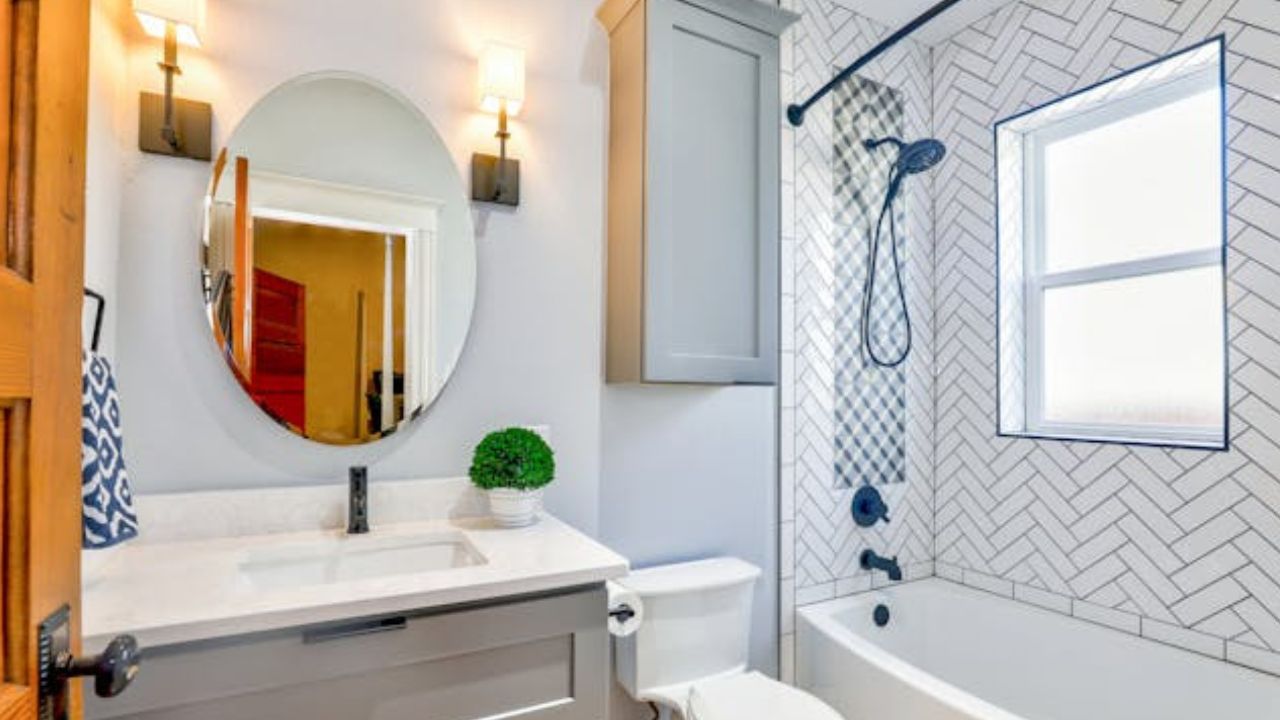
Owning a home allows for incorporating interior design elements that reflect your personality. From wall finishes, paint colors, and furniture to decorative items and accessories, the design possibilities are endless. However, it’s essential to consider practical aspects, especially if you plan to sell your home soon.
+ Martha Stewart launches affordable vintage table that has become a trend among interior designers
Certain design choices, especially in the bathroom, can lower the property’s value or turn off potential buyers during showings.
Bathroom design mistakes can occur at various stages. Older homes, for instance, may feature outdated cabinetry, flooring, and fixtures. Meanwhile, new homeowners might make the mistake of over-personalizing the space. Poorly planned renovations can also result in decisions that diminish the home’s value.
Although the average bathroom renovation had a return on investment (ROI) of about 60% in 2023, according to Today’s Homeowner, many factors can affect this outcome. That’s why, when renovating or staging a bathroom for sale, it’s crucial to know the most common design mistakes that can negatively impact your property’s value.
Inappropriate bathroom flooring choices
Replacing flooring is one of the most effective ways to modernize the space and add value to a home. Hardwood floors, for example, are highly valued and yield strong financial returns. However, not all flooring materials are suitable for damp areas like bathrooms.
Natural wood and laminate flooring are susceptible to moisture damage. Carpets accumulate dirt, are hard to clean, and promote mold and mildew growth. Even stylish tiles may not appeal to more traditional buyers.
To protect your home’s resale value, choose flooring that is durable, resilient, and waterproof. Luxury vinyl plank is an excellent option—it mimics the look of hardwood while offering better water resistance and durability. It also tends to have a higher ROI than porcelain, stone, or ceramic.
Overly themed bathrooms
Customizing your bathroom with a fun theme can be enjoyable, but if you’re planning to sell your home, it may be a turn-off for buyers. Décor themes like animals for kids or nautical motifs may feel too specific and lack universal appeal.
Avoid over-the-top designs and lean toward a more neutral aesthetic to add value. Remove themed shower curtains, excessive decorative art, wall decals, and other highly personalized items before showings.
If you still want to add a personal touch, use removable accents like towels, rugs, soap dispensers, and small decorative objects. Keep in mind: buyers are typically more drawn to bathrooms with neutral, functional, and minimalist designs.
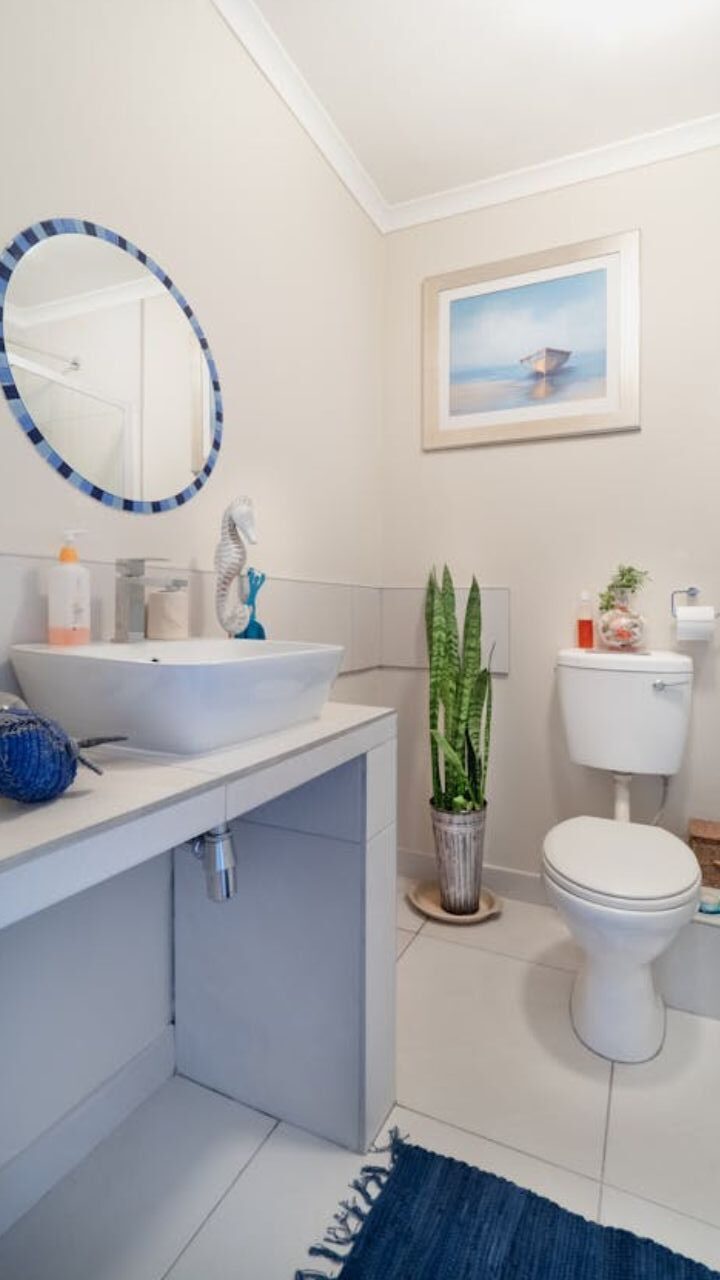
Lack of bathroom storage space
Insufficient storage space in the bathroom is one of the top factors that can lower a home’s value. It gives the impression of clutter and makes the room feel smaller, while also making it harder for buyers to envision practical use of the space.
If your bathroom lacks cabinets or shelving, now’s the time to address that. Smart solutions like built-in cabinets, decorative baskets, vertical shelving, and ladder organizers can enhance storage without requiring major renovations.
Even though custom cabinetry can be expensive—sometimes exceeding $12,000—there are affordable alternatives that can boost your bathroom’s appeal and improve functionality.
Removing the bathtub can be a mistake
With walk-in showers gaining popularity, homeowners may consider removing the bathtub. However, this decision can decrease your home’s resale value. Families with small children or pets, as well as individuals who simply enjoy soaking baths, may see the lack of a bathtub as a downside.
If your home has only one bathtub, think twice before removing it. Real estate agents generally recommend keeping at least one functional tub in the home. In some cases, converting the master tub to a shower may be acceptable—especially if space is limited—but always proceed with caution and consider market expectations.
Removing a walk-in shower can hurt resale value
Eliminating a walk-in shower (one without steps) can negatively affect buyers’ perceptions, especially in the primary bathroom. Older adults, people with mobility issues, or those who prefer showers might see the absence of this feature as problematic.
To cater to a broader range of preferences, it’s ideal to have both a bathtub and a walk-in shower in the home. If you don’t currently have one, consult with a real estate agent to decide whether adding one is worth the investment before selling. Keep in mind that bathroom renovations can cost over $10,000, and while the ROI can be promising, it’s not guaranteed.
Poor paint color choices in the bathroom
A fresh coat of paint can dramatically improve a bathroom’s appearance. However, overly dark or overly bright hues can compromise the space’s appeal—especially in smaller bathrooms.
Dark colors make rooms feel smaller, while bold tones may put off potential buyers. It’s best to choose neutral, soothing colors like white, beige, or light gray, which visually expand the space and create a more inviting atmosphere.
If you love bold colors, use them for decorative items like towels, artwork, and soap dispensers—things you can easily remove or tone down during showings. Avoid painting your bathroom in lime green, red, or turquoise if you’re looking to increase resale value.
Source: Hunker
This content was created with the help of AI and reviewed by the editorial team.
