
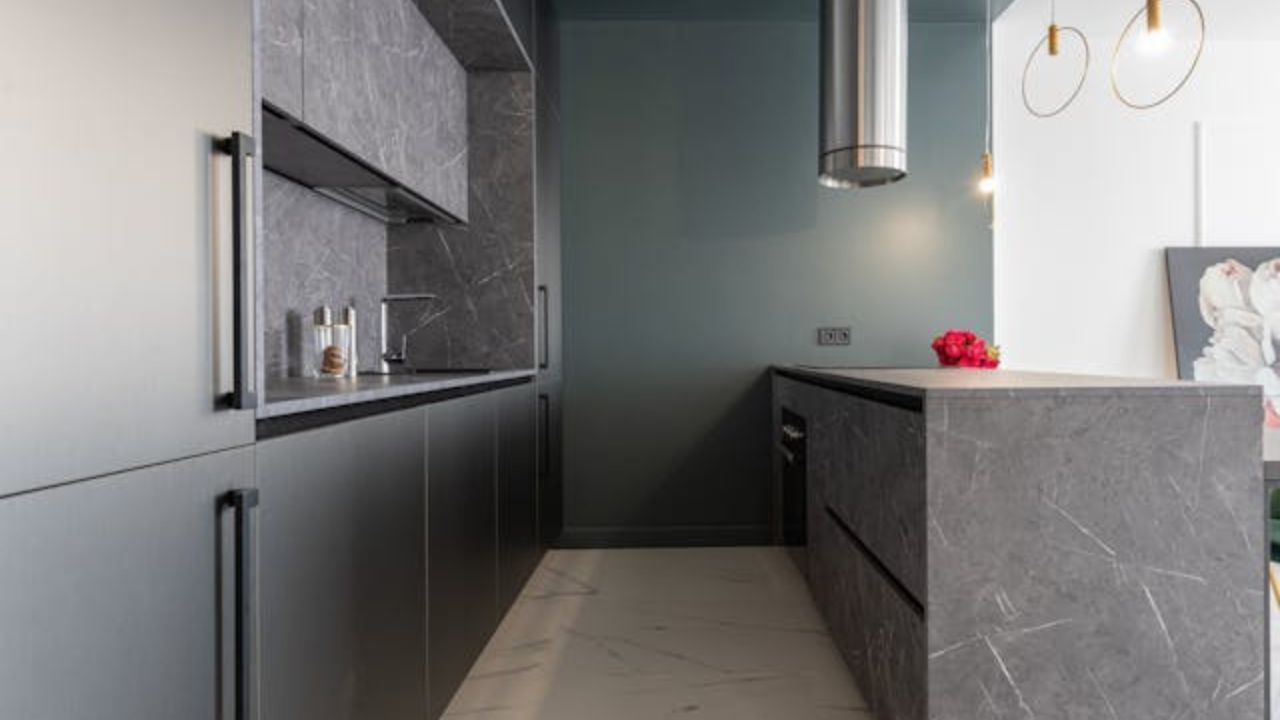
When a kitchen starts to look dated, it’s common to blame cabinets, colors, or even the decor. But according to the website Homes & Gardens, it’s often the layout — not the finishes — that makes a space feel misaligned and stuck in the past.
+ Wood paneling is officially back in style
According to interior designers interviewed by the publication, kitchen layouts have changed radically in recent years. Today, they need to support a more social, fluid, and integrated lifestyle, which means certain layouts that were once popular no longer work.
If current kitchen layout trends are any indication, configurations that hinder social interaction or create rigid, unintuitive zones are being reconsidered. Below are the three layouts that, according to experts interviewed by Homes & Gardens, should be left in the past in 2026 — and what to consider instead.
3 outdated kitchen layout trends you should avoid
If you plan to renovate your kitchen in 2026, it’s worth paying attention. Layout is essential for both the style and functionality of the space, and avoiding outdated arrangements is the key to a timeless design.
1. The double island layout
In large kitchens, the double island emerged as a solution to expand prep and storage areas. However, designers point out that this configuration is already starting to look excessive and impractical.
“Although I haven’t designed one myself, I’ve seen many kitchens with double islands, and I believe this format will stop being a trend in 2026. It often feels awkward and disconnected, making circulation difficult and the space less cohesive,” says interior designer Becky Shea.
Designer Kristina Khersonsky agrees and notes that while it worked in large spaces for a time, the double island often prioritizes scale over experience. “It can make the kitchen feel more like a showroom than a real living space,” she explains.
According to her, design is returning to a focus on intentionality and connection. “People are rethinking how they use the kitchen — not just for cooking, but for talking, entertaining, and living. That calls for more human, fluid, and functional layouts.”
Instead of filling the space with more volume, consider how the island is actually used. Designer Laura Stephens highlights that movable rustic tables or islands with softer, less imposing shapes are likely to gain ground in 2026.
2. Unsocial kitchen configurations
Kitchens are no longer purely functional spaces. According to Homes & Gardens, they have become the true heart of the home — and layouts that hinder socializing are quickly falling out of favor.
“The best kitchens aren’t just for cooking; they encourage togetherness,” says designer Kathy Kuo. That’s why designs that don’t include areas to sit, talk, or relax no longer meet today’s needs.
The recommendation is to create layouts that include cozy nooks, beverage stations, or appliances positioned so the person cooking can continue to take part in conversations.
Even in small kitchens, Kathy notes that it’s almost always possible to fit in a breakfast bar for quick meals or custom benches. In larger spaces, round tables or more comfortable seating at the counter transform usability without major renovations.
3. Kitchens with overly open layouts
For years, fully open floor plans dominated residential projects. However, according to designers interviewed by Homes & Gardens, this preference is beginning to shift as we approach 2026.
“I believe we’re moving away from completely open layouts with no clear boundaries,” says interior designer Ethan Charles. “People want connection, but they also value the ability to visually separate spaces.”
The idea isn’t to rebuild walls, but to create subtle divisions: rugs to define areas, glass partitions, changes in furniture orientation, or variations in lighting are already enough to give each space its own identity.
Instead of one large, uniform space that can feel cold and impersonal, the trend is to make open plans more structured and welcoming — almost as if each area has its own layout within the whole.
In the end, when designers talk about outdated layouts, it’s not just about what’s in or out of style. According to Homes & Gardens, the focus is on creating more intentional, connected, and human kitchens — spaces that truly invite togetherness and well-being.
Source: Homes & Gardens. This content was created with the help of AI and reviewed by the editorial team.
