
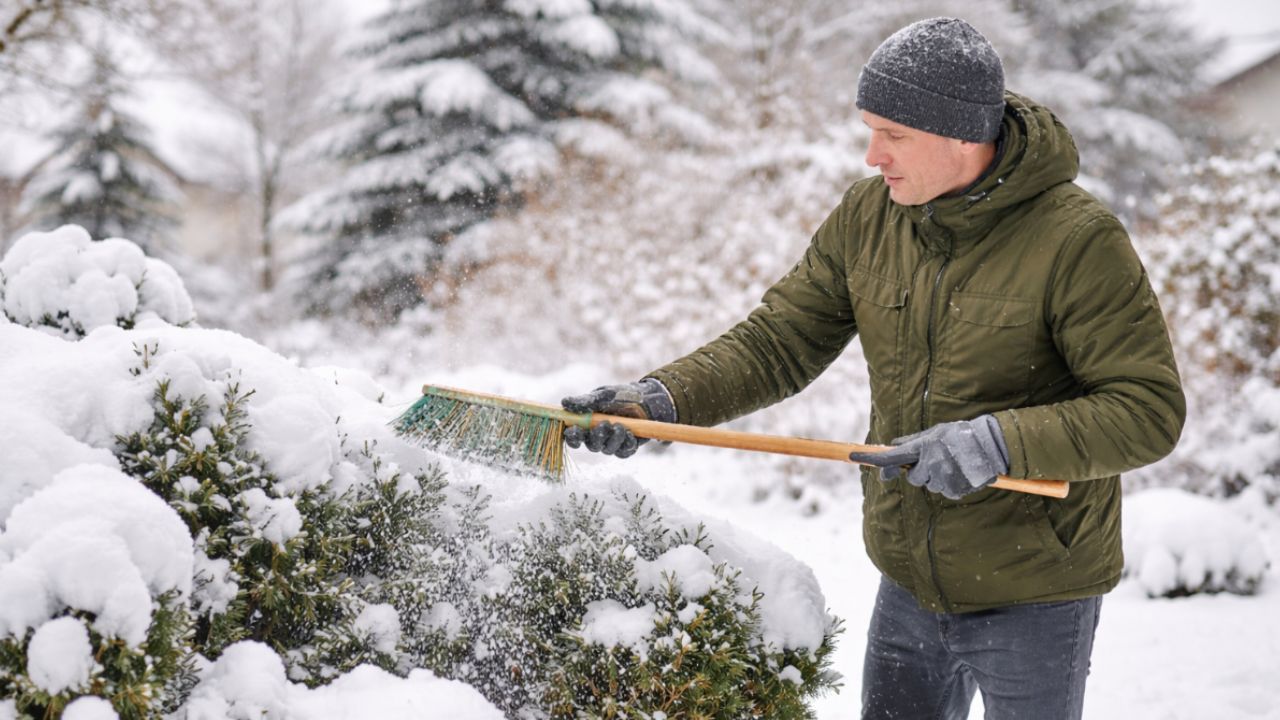
A thin layer of snow can transform gardens and backyards into true winter scenes. However, when the accumulation becomes excessive, the weight of the snow can cause significant damage to perennials, trees, and shrubs.
+ Organizers say: 7 things minimalists never keep for more than a month
Fortunately, with some preventive care and the right recovery strategies, it is possible to minimize damage and ensure the garden gets through winter in good health.
According to guidance published by The Spruce, understanding how each type of plant reacts to snow is the first step to acting safely and effectively after a snowstorm.
What to do if snow crushes your plants
Snow does not always require immediate intervention. In many cases, the best approach is to observe. Perennials with remaining foliage, for example, usually regrow without difficulty in spring, as their above-ground parts tend to dry out naturally during winter.
Cold-weather crops, such as kale and other brassicas, also tend to tolerate a light layer of snow well — as long as leaves and stems do not break under the weight.
According to The Spruce, the greatest risk arises when there is a thick buildup of snow, especially on trees, shrubs, and structural plants in the garden. In these situations, some preventive measures and careful recovery actions make all the difference.
How to prevent snow damage to plants
Planning ahead during the growing season is one of the most effective ways to protect the garden in winter. Experts recommend several essential practices:
Choose hardy varieties
Planting species adapted to cold and wind significantly reduces the likelihood of damage during heavy snowfalls.
Carry out structural pruning correctly
Keeping annual pruning up to date — usually at the end of winter or the beginning of spring — helps form trees and shrubs with stronger, better-balanced branches that are less likely to break under the weight of snow.
Prepare plants in late fall
Keeping the soil well watered before winter and applying a generous layer of organic mulch helps protect roots and increases resistance to cold.
Avoid pruning or fertilizing in late summer
These practices can stimulate new, fragile growth that will not have enough time to harden before the arrival of snow and colder temperatures.
How to help your plants recover after snow
Although snow itself is not necessarily harmful, excessive weight can cause breakage and deformation. As advised by The Spruce, a few simple steps can prevent permanent damage.
Assess damage calmly
After the snowstorm, inspect the garden for broken branches or damaged foliage. Minor damage rarely compromises the plant’s long-term health. Large branches or cracks in trunks, however, require special attention.
Remove snow from shrubs and small trees
Use a broom or light tool to remove loose snow, always brushing from the bottom upward. Start with the lower branches to avoid overloading them further. Frozen snow should be left in place.
Avoid handling mature trees
Due to their height and size, it is neither practical nor safe to attempt to remove snow from large trees. In these cases, it is best to wait for it to melt naturally.
Observe damaged branches
Mentally note or mark broken branches for pruning at the end of winter, when the plant is ready to recover.
Know when to call a professional
Never touch broken branches near power lines or trees that have fallen onto wires. In these cases, contact the utility company and hire a certified arborist to ensure safety.
Source: The Spruce. This content was created with the help of AI and reviewed by the editorial team.
