
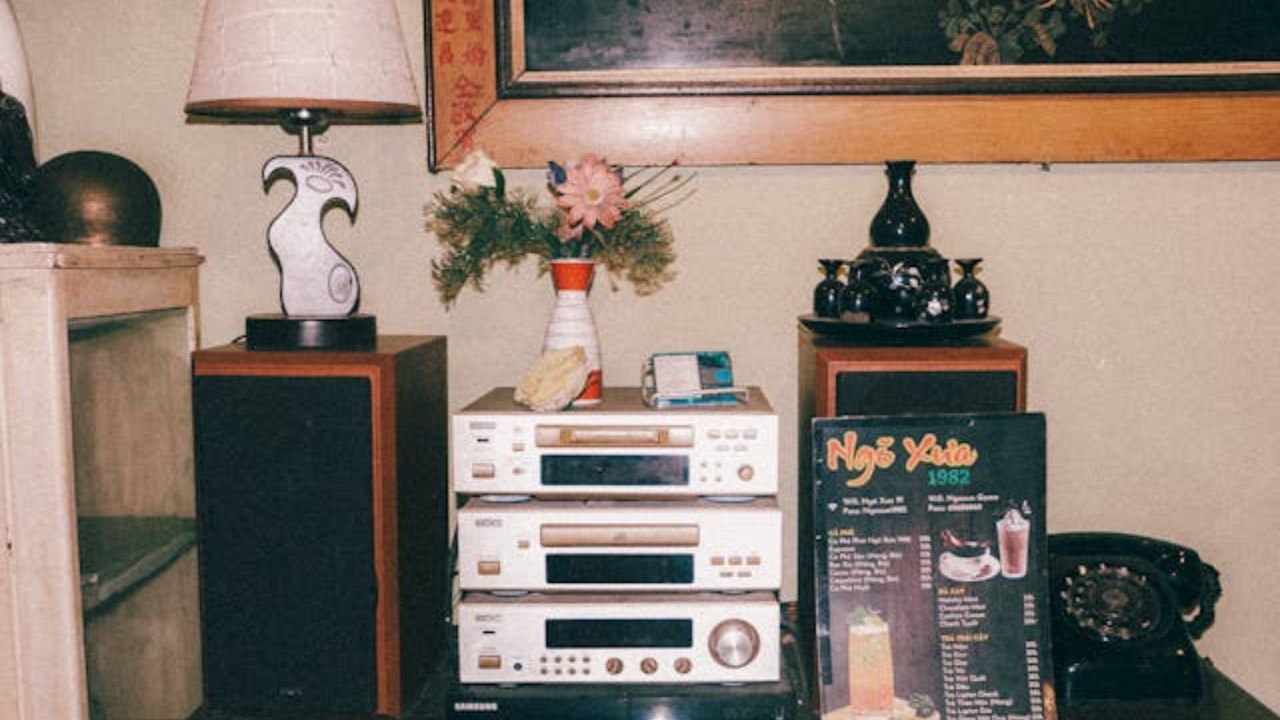
The trend of romanticizing the past has never truly disappeared — it simply takes on new forms as the decades pass. If, in the 19th century, Egyptomania swept through Europe and, in the Gilded Age, references to Marie Antoinette were synonymous with luxury, today it is Generation Z leading the revival of nostalgic styles in home decor.
+ Why I almost never use prints, and if you want a timeless home, you should focus on this
This trend, popularized on social media, goes beyond recreating historical periods: it is about capturing the emotional vibe of a recent past. Think: Claire’s Y2K aesthetic, blurry photos, grandma’s living room furniture, flip phones, and vibrant retro tones.
In interior design, this nostalgia gains strength by revisiting specific elements from past decades — always with the intention of creating cozy, sentimental, personality-filled environments.
Grandma’s florals
Perhaps no reference is as iconic as the classic floral prints that covered sofas and armchairs in the 90s. For those seeking an updated nostalgic touch, the recommendation is to balance the romantic pattern with minimalist architecture, such as modern coffee tables.
But for those who prefer to embrace the aesthetic fully, bold floral prints in dark and sophisticated tones are a perfect choice.
Wallpaper
Wallpaper is one of the greatest comebacks in nostalgic design. Once considered outdated, it now returns in contemporary versions with endless patterns — from classic to irreverent.
The trend includes unexpected applications, such as wallpaper on the ceiling, or traditional uses that transform a space entirely without structural renovations.
Vintage lighting
Although fluorescent lamps from the 90s are not desired, retro-style light fixtures are back in focus.
Art deco pieces, mid-century lamps, and even nostalgic icons like lava lamps reappear as decorative elements full of personality.
Collectible objects
The kitsch universe — marked by collectibles from brands like Coca-Cola or Texaco — returns as a protagonist of the so-called “dopamine decor.”
This aesthetic embraces sentimentality, fun, and visual joy, distancing itself from the traditional minimalism that has dominated design in recent years.
Maximalist colors
The modern neutral palette is losing space to bold and vibrant colors.
The nostalgic aesthetic combines:
- 90s neon tones
- saturated mid-century palettes
- the depth of Victorian jewel tones
Powerclashing — the intentional mixing of contrasting colors — is a major trend among young people and marks the official end of the “Millennial Pink” era.
Dining rooms back in style
Generation Z is also reviving the charm of formal dining rooms.
After years favoring open-concept living, dedicated dining spaces return as symbols of connection and togetherness.
As designer Lance Thomas (Thomas Guy Interiors) explains in an interview with Southern Living:
“It’s the one space in the house where you aren’t idle — it’s where you reconnect.”
Playful metallics
From Y2K sparkle to glamorous shine, metals are making a strong comeback.
Aged brass, mirrored chrome, or bold decorative pieces — such as metallic animal statues — help add drama and sophistication to interiors.
Lots of art, everywhere
In nostalgic style, there is no room for minimalism on the walls.
The trend includes:
- large posters
- vintage prints
- eclectic gallery walls
- artistic photographs
Thrift stores and garage sales are Gen Z’s favorite treasure troves for creating walls full of personality.
Open shelves
Though often considered “modern,” open shelving has its roots in mid-century design.
Now, it returns as an aesthetic alternative to cabinets — especially in kitchens and bathrooms — emphasizing form and the display of meaningful objects.
Mid-century graphic prints
Geometric patterns, psychedelic curves, and vibrant prints from the 50s and 60s are making a strong comeback.
The idea is to be bold: the more color and contrast, the stronger the nostalgic visual impact.
Embroidered pillows
Embroidery resurfaces in cottagecore and castlecore aesthetics, bringing warmth and emotional memory.
Embroidery kits make it easy to create personalized pieces that combine charm and nostalgia.
Vintage glassware
Vintage glasses, cups, and vases — such as Murano glass, jadeite, or Depression-era glass — return to the spotlight.
Both refined and kitschy items are appreciated for their emotional value and retro flair.
Classic antique furniture
Sustainable, unique, and full of history, antique furniture represents the pinnacle of this trend.
For Generation Z, they represent not only style but also a conscious approach to decorating, often preserving family heirlooms.
Driven by social media and by the desire for more sentimental environments, Generation Z is rewriting the rules of design — transforming memories, objects, and styles from the past into modern expressions of creativity, identity, and comfort.
Source: House Digest. This content was created with the help of AI and reviewed by the editorial team.
