
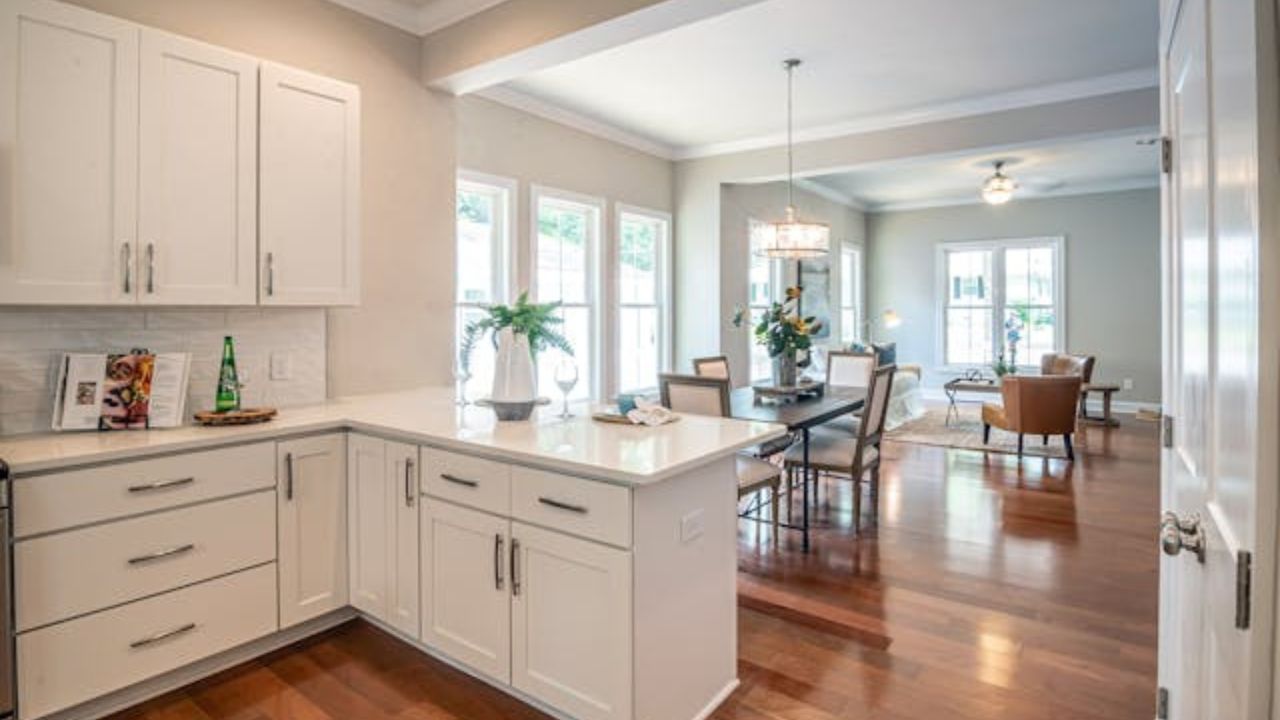
The peninsula is one of the most sought-after features in modern kitchens. It adds style, practicality, and creates an elegant transition between spaces, especially in open-plan layouts.
+ Katie Holmes embraces modern Christmas décor without a tree
However, according to interior designers, not every kitchen with a peninsula is well planned — and small mistakes can compromise both functionality and visual harmony.
To help you avoid regrets, here are the 6 most common mistakes in peninsula kitchens and what to do instead, according to design experts.
1. Ignoring the flow of movement
One of the most frequent mistakes is placing the peninsula in a way that blocks the natural pathway between areas. When the structure is too close to walls or prep zones, the space becomes cramped and uncomfortable.
What to do instead: keep at least 90 cm (about 35 inches) of clear space around the peninsula to allow people to move easily. If the space is small, choose a narrower model or one with an open side to maintain lightness and visual spaciousness.
2. Using the peninsula only as a visual divider
Many homeowners see the peninsula merely as a separation between the kitchen and the living area, failing to take advantage of its full functional potential.
What to do instead: turn the peninsula into a multifunctional zone — with space for quick meals, extra storage, utensil niches, or even a built-in wine rack. This makes it the true heart of the kitchen.
3. Forgetting proper lighting
Another common mistake is neglecting to plan lighting over the peninsula. Without direct light, the area loses its prominence and becomes less functional, especially if used for prep or dining.
What to do instead: invest in pendant lights or adjustable track lighting. Besides being practical, they enhance the design and create an elegant focal point in the space. Choose bulbs with a neutral color temperature (around 4000K) for visual comfort.
4. Not including enough power outlets
It’s easy to forget, but outlets are essential on a peninsula. Without them, using small appliances like blenders and mixers becomes a challenge.
What to do instead: install built-in outlets on the side or countertop, discreetly and efficiently. There are retractable and metallic-finish options that integrate perfectly with contemporary designs.
5. Choosing uncomfortable or ill-proportioned stools
A poorly used peninsula often features stools that are too tall, lack footrests, or don’t leave enough room to sit comfortably. These details affect ergonomics and make the space less inviting.
What to do instead: measure the exact distance between the seat and the countertop — 25 to 30 cm (10–12 inches) is ideal. Choose stools with backrests and footrests, especially if the area is frequently used for meals.
6. Overdoing materials and finishes
Mixing too many tones, textures, and finishes can make the peninsula look disconnected from the rest of the kitchen.
What to do instead: stick to a cohesive palette that complements the surrounding space. If the countertop is meant to stand out, balance it with more neutral cabinetry. Materials like quartz, granite, and marble-effect porcelain are elegant and durable options.
The peninsula is a versatile feature that combines aesthetics and functionality when well designed. Avoiding these mistakes and investing in a thoughtful layout ensures a practical, beautiful, and integrated space — perfect for those who love cooking and entertaining.
This content was created with the help of AI and reviewed by the editorial team.
