
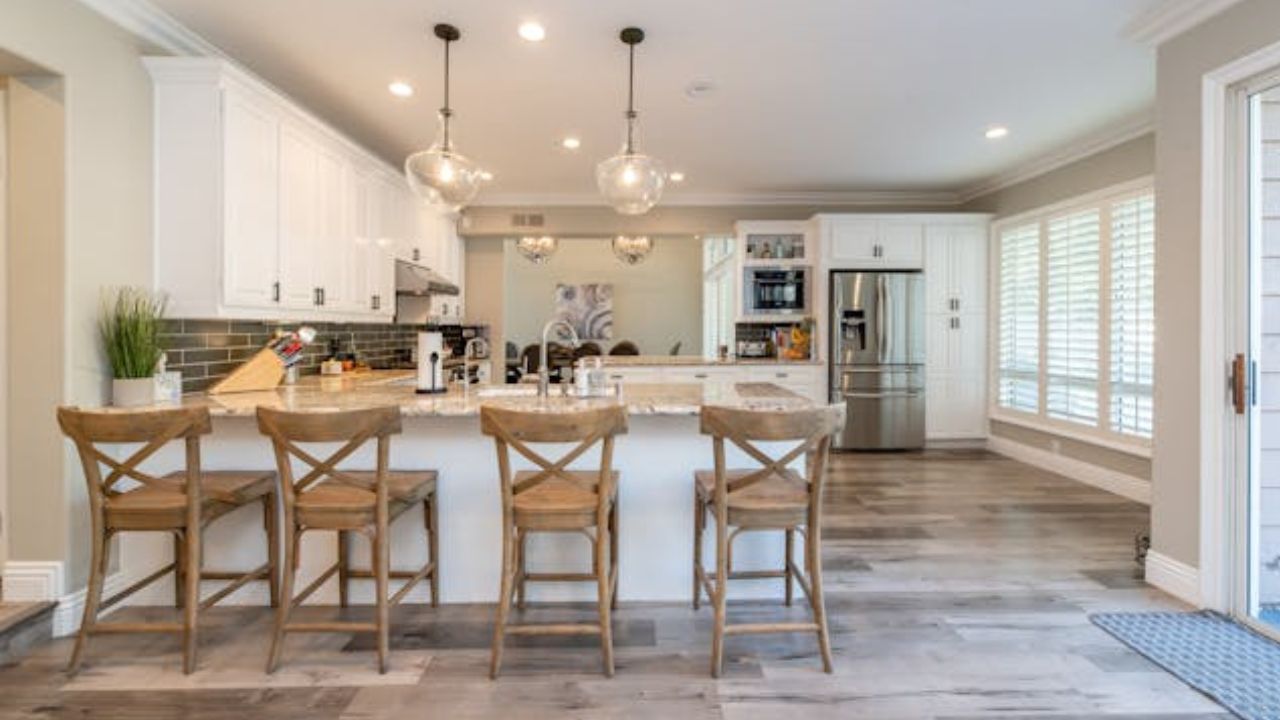
The farmhouse style, or country house, dominated the interior design scene over the past decade, especially with the influence of names like Joanna Gaines. But in 2025, what is the relevance of this aesthetic? Is farmhouse still a trend, or has it lost its charm?
+ Ultra-chic Lady Gaga bathroom inspires bold chandelier trend
According to Real Simple, designers’ opinions on farmhouse style are divided, revealing an interesting debate about authenticity and modernity in interior design.
Why some designers believe farmhouse style is in decline
Some experts argue that farmhouse style is no longer fashionable and can look dated. Interior designer Cathryn Erickson comments that, in the design world, it already feels tied to a specific era and is not a look she recommends or creates, as it doesn’t convey personality or interest, according to Real Simple. For her, today’s aesthetics aim to be richer, more complex, and timeless.
Erickson also points out that while farmhouse style is very common in mass-market builds, because of its cheap and easy-to-reproduce finishes, it tends to look outdated as soon as the work is complete. Lindsie Davis, founder of Blueberry Jones Design, adds that the standardized version of farmhouse is disappearing, as homeowners seek individuality and personality instead of the sameness driven by trends.
The revival of farmhouse style
On the other hand, many designers say the style not only remains relevant but is also evolving. Interior designer Peggy Haddad says farmhouse style hasn’t disappeared — it has grown. Think of a European chalet: more color, more personality, less repetition.
Taylor Fusco adds that a true farmhouse never goes out of style when done authentically. Instead of decorating in an overly modern way, it’s better to invest in plaids, floral prints, and delicate curtains for a fresh and charming touch.
To update the style, Haddad recommends swapping natural wood finishes for black-and-white combinations, adopting warmer colors and patterns, and incorporating classic elements such as vertical panels, wainscoting, and detailed millwork. The DNA of farmhouse is still alive but now draws inspiration from European heritage and homey influences to create more enduring and refreshed spaces.
In summary, farmhouse may have lost some of its standardized appeal, but it still has a place in contemporary design. The secret, according to designers, is to invest in authenticity, personality, and a touch of modernity to keep the style current and welcoming.
Source: Real Simple. This content was created with the help of AI and reviewed by the editorial team.
