
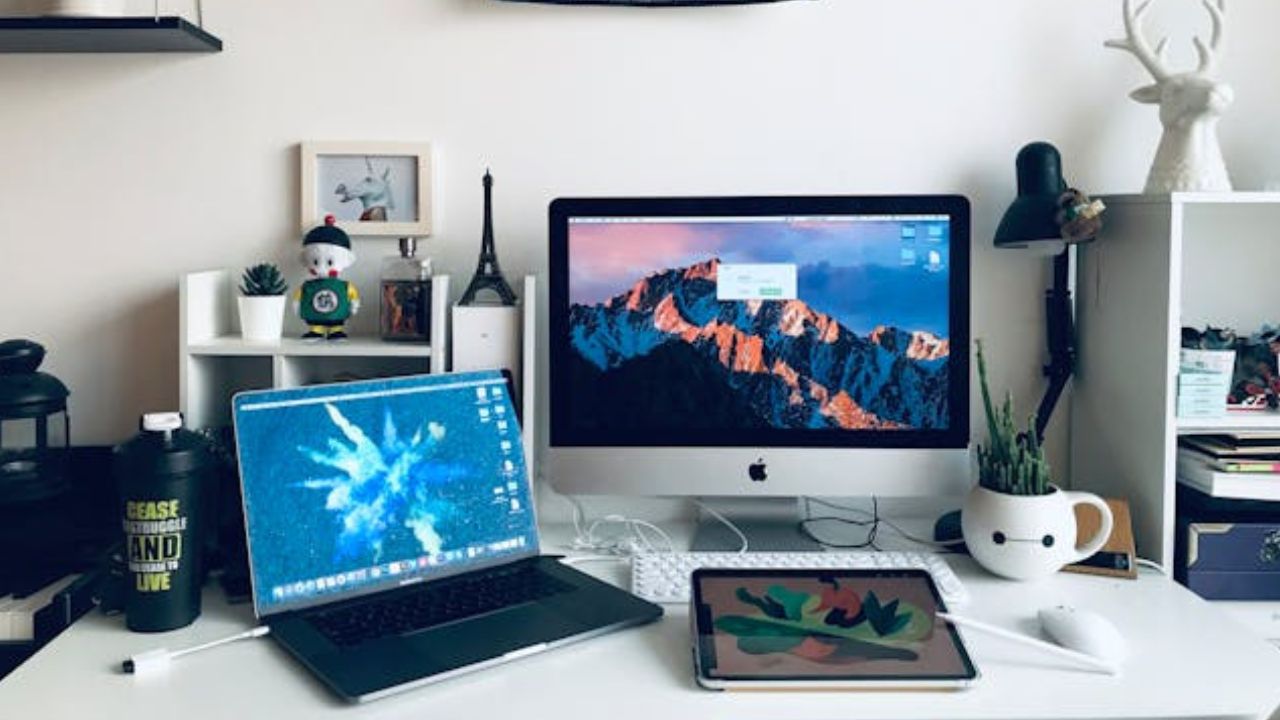
Have you ever felt inexplicably anxious at home, even during moments of rest? According to Feng Shui, this feeling might not be purely emotional but energetic.
+ Cameron Diaz’s Trick for a Sophisticated and Cozy Living Room
According to Feng Shui, your home might be fueling your anxiety without you realizing it. This happens when vital energy (Chi) is blocked, stagnant, or unbalanced in certain areas of the space.
In this article, you’ll learn how Feng Shui can reveal the invisible hiding spots of anxiety in your home and, more importantly, how to turn them into sources of balance and peace.
1. Main Entrance: The Portal of Energy (and Worry)
In Feng Shui, the front door is considered the “mouth of Chi”—it’s where energy enters the home. When this area is blocked, dark, messy, or neglected, it can reflect life blockages and trigger feelings of overload, lack of control, and insecurity.
Signs of anxiety at the entrance:
- Dirty or torn doormats
- Accumulated and disorganized shoes
- Poor or nonexistent lighting
- Squeaky or difficult-to-open door
Feng Shui corrections:
- Clean and organize the space regularly
- Add a healthy plant near the entrance
- Use a beautiful rug to welcome energy (and people)
- Install soft and functional lighting
2. Bedroom: The Quiet Hiding Spot of Mental Restlessness
Your bedroom should be a sanctuary for rest and recovery, but when poorly decorated or energetically misaligned, it can fuel racing thoughts, insomnia, and anxiety. Intense colors, poorly placed mirrors, and excessive electronics are common culprits.
Signs of anxiety in the bedroom:
- Mirror reflecting the bed
- TV on until falling asleep
- Bed not aligned with the door
- Too many items under the bed
Feng Shui corrections:
- Avoid mirrors in front of or beside the bed
- Use soft, calming colors (light blue, beige, lavender)
- Position the bed so you can see the door without being directly in front of it
- Remove items from under the bed to free the energy flow
3. Kitchen: Anxiety Disguised as Clutter
The kitchen represents nourishment, abundance, and health. When disorganized—with stacked pans, expired food, or accumulated trash—it can unconsciously trigger feelings of lack, chaos, and stagnation.
Signs of anxiety in the kitchen:
- Overstuffed and messy cabinets
- Dirty stove or only one burner working
- Fridge with expired food
Feng Shui corrections:
- Keep the stove clean and in good condition (it represents prosperity)
- Clear out cabinets and discard unused items
- Let in natural light as much as possible
- Decorate with warm, cheerful colors
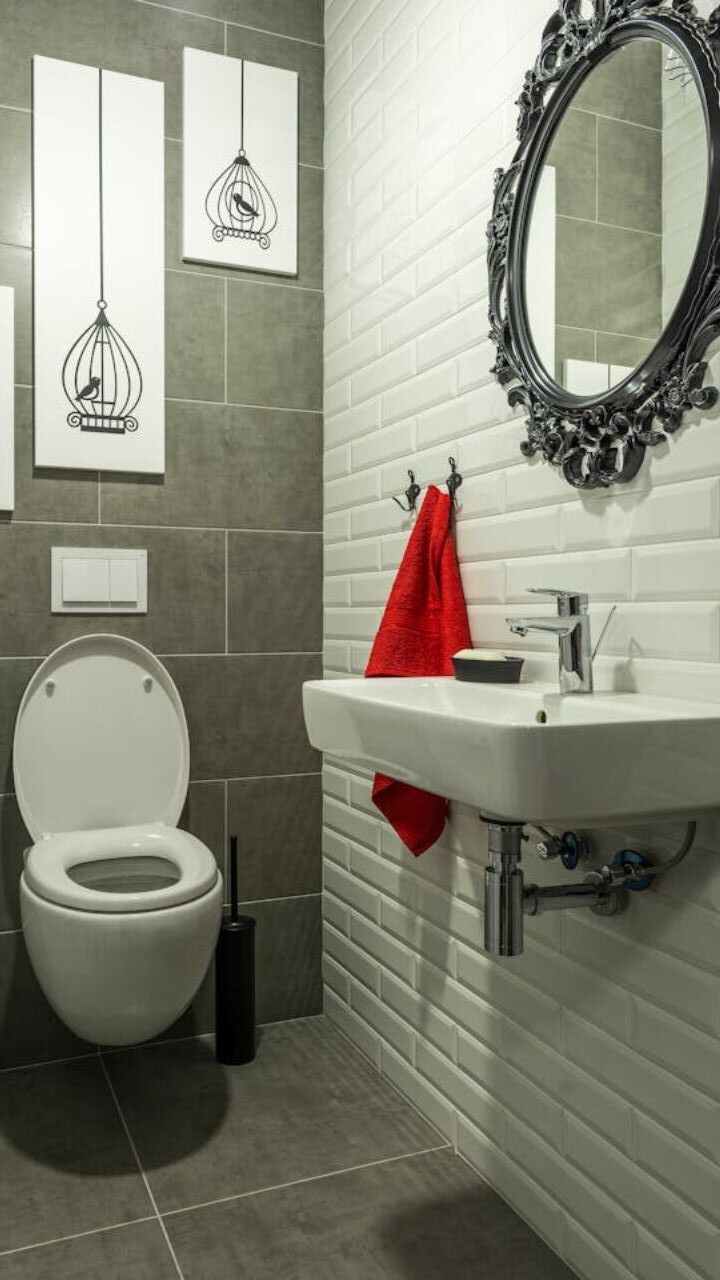
4. Bathroom: The Drain of Emotional Energy
In Feng Shui, the bathroom is a critical point of energy loss, as it’s where Chi literally “goes away.” When neglected, it can increase feelings of vulnerability, sadness, fear, and emotional exhaustion.
Signs of anxiety in the bathroom:
- Toilet lid always left open
- Leaks and mold
- Cracked mirror or poor lighting
Feng Shui corrections:
- Keep the toilet lid closed
- Fix leaks immediately
- Add small plants to balance the energy
- Use candles or diffusers with lavender or eucalyptus
5. Office or Workspace: Accumulated Invisible Tension
If you work from home or have a study corner, this space can be a major source of mental stress. Piles of paper, tangled wires, and cluttered desks keep the mind in a constant state of alert.
Signs of anxiety in the office:
- Desk full of unresolved papers or objects
- Uncomfortable or poorly positioned chair
- Lack of natural light or ventilation
Feng Shui corrections:
- Tidy up your desk at the end of each day
- Place your chair facing the door (command position)
- Add a broad-leaf plant (like pothos or peace lily)
- Incorporate wooden elements to bring stability and focus
Conclusion: Your Home Reflects (and Influences) What You Feel
Feng Shui teaches us that everything is interconnected—especially the space we live in and our emotional state. Anxiety, fear, and insecurity may be fueled by subtle details in your environment. By adjusting furniture layout, correcting energy flows, and intentionally caring for the aesthetics of each room, you turn your home into an emotional ally—not a source of stress.
Remember: your home is your temple. And it can be your best tranquilizer.
This content was created with the help of AI and reviewed by the editorial team.
