
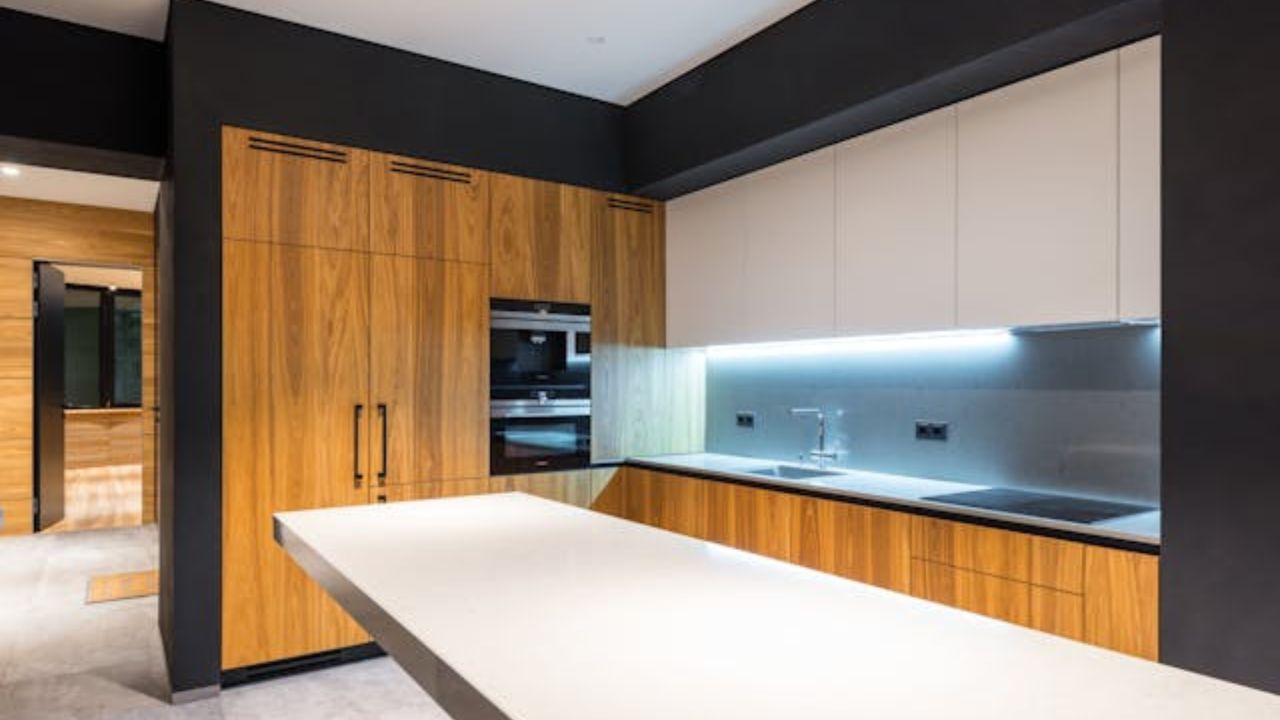
Every summer, MasterBrand, a leading kitchen cabinet manufacturer in the United States, releases its annual design and trends report—a document highly anticipated by professionals and interior design enthusiasts alike.
+ All-white bathrooms are a mistake, say designers; here’s how to fix it without remodeling
The 2026 report is based on research conducted with designers from over 7,000 dealers and offers an in-depth look at key changes in cabinet design. According to Real Simple, Stephanie Pierce, MasterBrand’s director of design and trends, shared the most relevant findings for the coming year.
Mixed styles dominate, but farmhouse remains popular
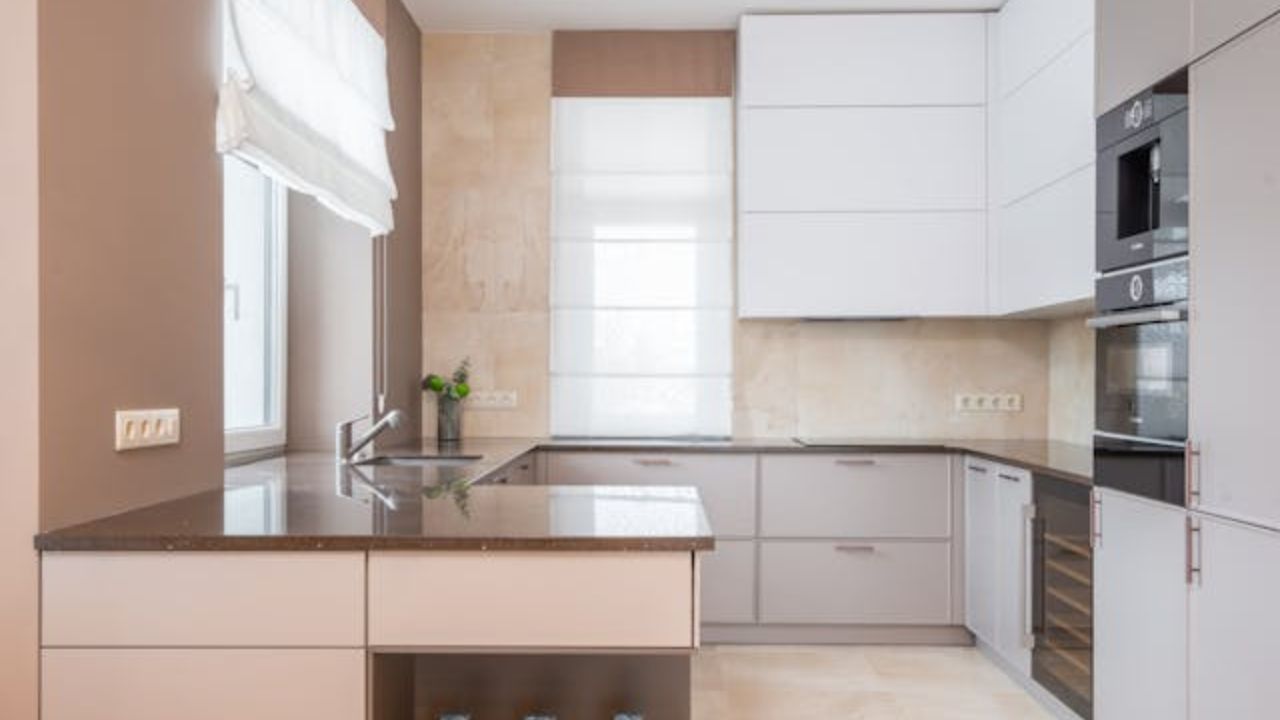
According to MasterBrand’s research, the three most popular kitchen cabinet styles are soft modern, transitional, and modern traditional. However, among them, transitional style is seeing a significant drop in popularity. This aesthetic—marked by simple lines and neutral tones—dominated since the late 2000s but is now on the decline.
Pierce reveals that only 38% of respondents favored the transitional style this year, compared to about 70% in previous years. She attributes the drop to the fact that “transitional” emerged from conservative preferences during the economic recession. “People were worried about property values and opted for safer styles,” she explains.
Additionally, styles that were once opposites—modern and traditional—are now blending into hybrid proposals such as modern traditional. Amid this fusion, farmhouse design remains strong, but with a more contemporary, laid-back approach, far from the overly rustic style popularized by Joanna Gaines.
“Farmhouse is now more casual and livable,” says Pierce. “Although white elements are still present, the style has evolved, becoming more versatile as it blends with other aesthetics.”
White cabinets are truly out of fashion
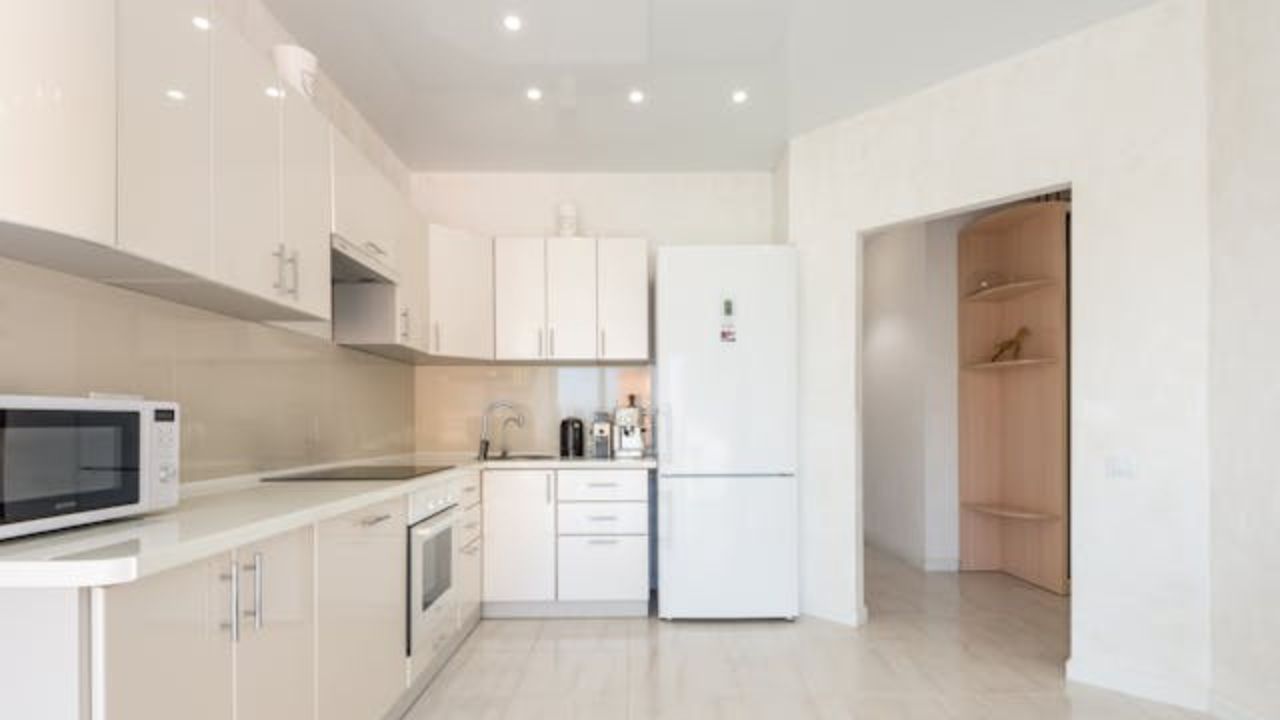
One of the most significant changes highlighted in the 2026 report is the decline of white cabinets, which dominated kitchens for over a decade. For the first time in nine years of research, white no longer leads as the favorite finish.
According to Pierce, light paint tones now rank first, followed by off-white. Wood tones are also gaining strength. While light finishes are still trending, mid-tones are emerging as strong contenders for the next big trend.
“You can keep the house bright with light paints, but you need visual contrast—and that’s where mid-tones come in strong,” says Pierce. The forecast is that by 2027, these mid-tones will solidify as the main choice in kitchen projects.
Color is everywhere—and trending
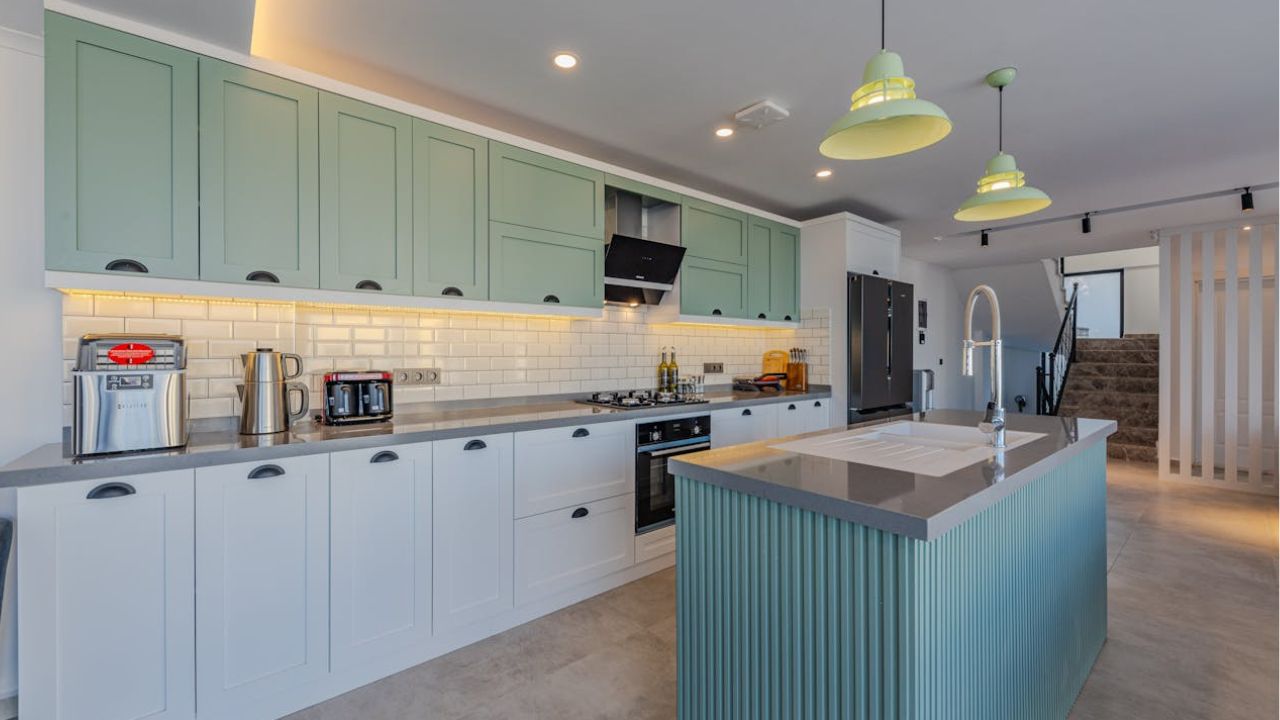
In addition to mid-tones and the fall of white cabinets, the research shows a sharp increase in the use of vibrant colors in kitchen cabinets. Homeowners are increasingly confident in adding color—not just to kitchen islands but throughout the kitchen perimeter—a 15% increase in just two years.
Although white and off-white are still present, their use is now secondary or tertiary. “Nowadays, many kitchens feature two, three, four, or even five different finishes,” says Pierce. This diversity creates rich, dynamic, and personalized visual compositions.
White oak is still the preferred wood type
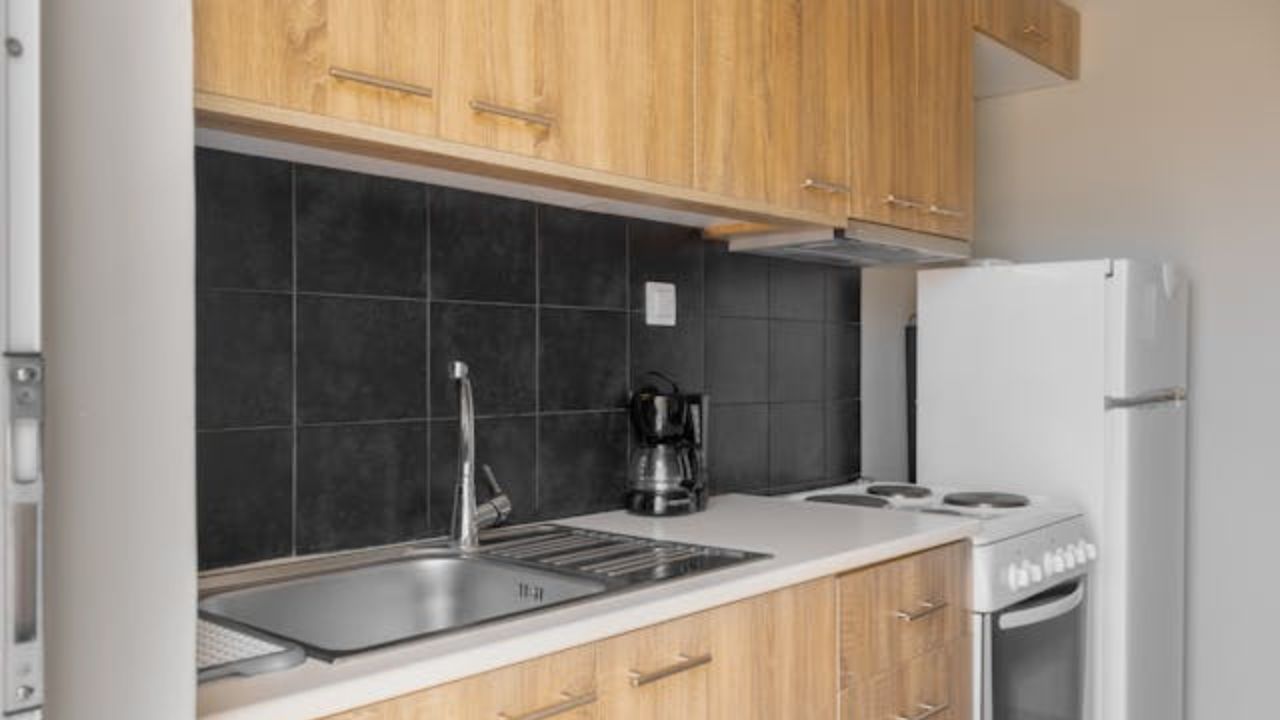
Despite growing use of stains on woods such as walnut, pecan, and cherry, white oak remains a favorite. It’s a premium, durable wood with a sophisticated appearance—though less sustainable due to its slow growth.
According to Pierce, a similar look can be achieved with red oak, which is more accessible and abundant. “We’ve developed several light stains that work really well on red oak, giving a similar grain appearance,” she explains. Still, she expects white oak to gradually decline in use as mid-tones gain popularity.
More people are making room for custom pantries
Another highlight from MasterBrand’s research is the growing popularity of custom pantries—especially closet-style ones. In new builds, this feature is almost always requested, while remodels require more strategic planning.
To accommodate these spacious pantries, homeowners are often willing to give up formal spaces like dining rooms. “One of my favorite examples is a home where the dining room was replaced with a laundry room, an entryway, and a well-organized pantry,” says Pierce. “Those spaces added much more value to daily living than a rarely used room.”
Source: RealSimple
This content was created with the help of AI and reviewed by the editorial team.
