
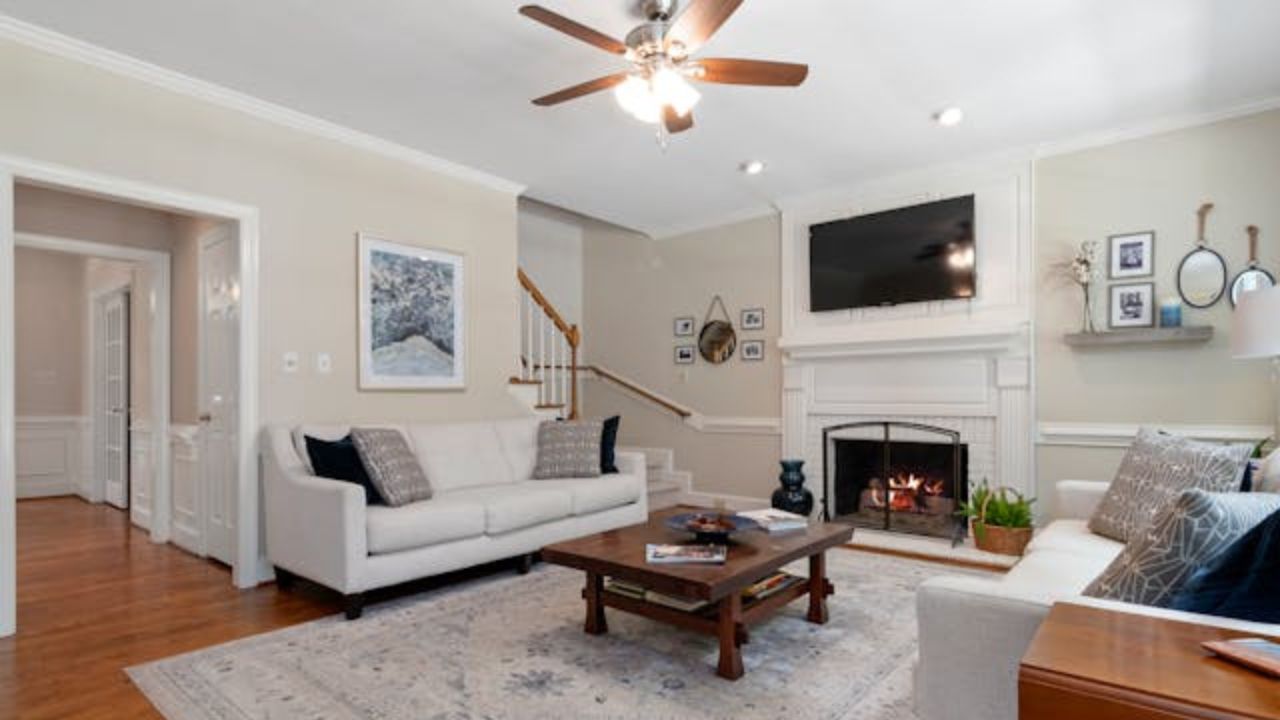
Walking into a well-lit room feels like receiving a warm hug—it conveys comfort, well-being, and warmth. Even if your home gets plenty of natural light during the day, the real test comes after sunset. Unbalanced lighting becomes evident when some rooms are overly bright while others remain dark, shadowy, and uninviting.
+ Kirsten Dunst’s Vintage Lamp Becomes a Thrift Store Obsession
Signs of poor lighting include eye strain, lack of motivation to engage in evening activities that would normally be enjoyable, and even early-onset drowsiness. This type of lighting can also hinder personal interactions, since nonverbal communication—so essential in conversations—gets lost when people can barely see one another. Often, the difference between a cozy space and one that’s too dim lies in how we feel while being in it.
On the other hand, lighting that’s too harsh can also be uncomfortable. Just like insufficient lighting, excessive brightness can lead to eye fatigue and, in some people, headaches or even migraines. The solution may lie in choosing the right bulbs. Replacing overly bright bulbs with ones that emit softer, warm white light can completely change the atmosphere of a room. A poorly designed lighting setup can impact productivity and well-being more deeply than many realize.
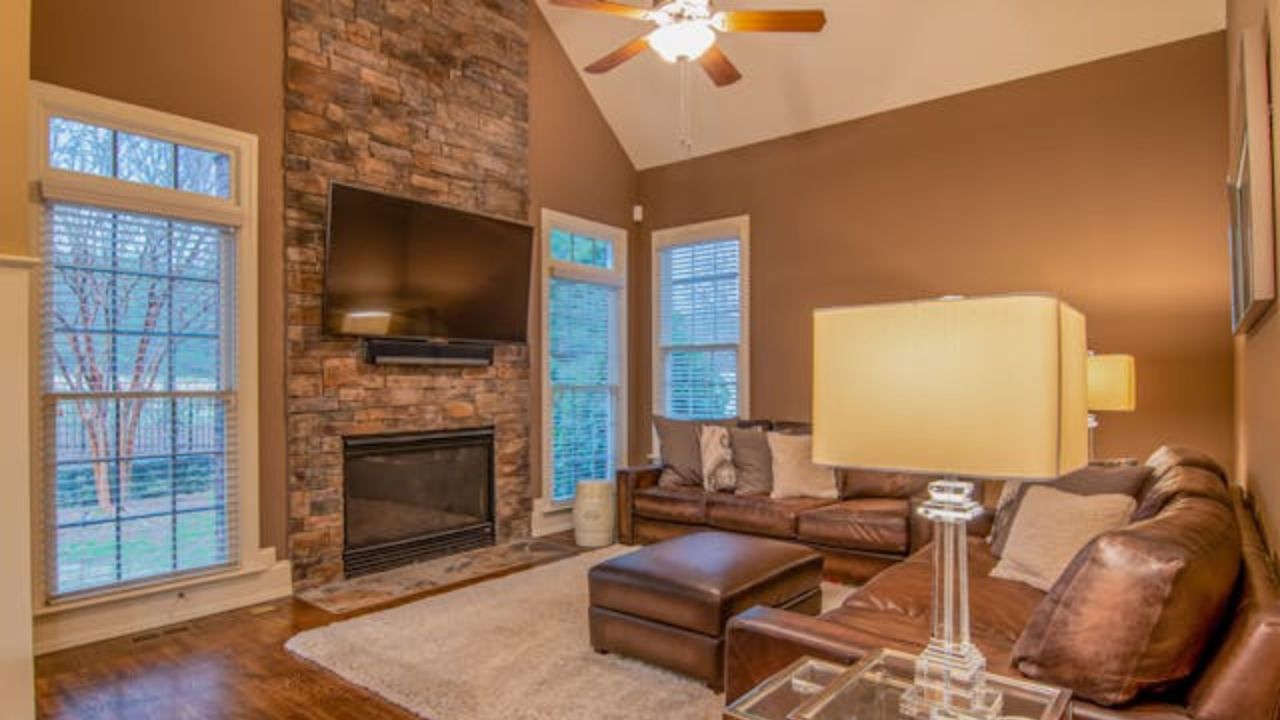
Practical Steps to Achieve Balanced Lighting at Home
A great way to evaluate whether your home’s lighting is inconsistent is to assess each room individually. Turn on all the lights and stand at the entrance, observing closely. If you notice areas that are overly lit—like someone’s under a spotlight—or zones that remain deeply shadowed, it may be time to rethink your lighting design. Identifying the extremes of light and dark and understanding how they affect your mood is the first step toward restoring balance.
To fix dark spots, evaluate the space and think of functional alternatives: would a floor lamp be a good addition? Perhaps a ceiling light that gently reflects light upward? Consider also table lamps or hanging fixtures depending on the layout. The ideal setup combines focused, strong light for task areas with softer, diffuse lighting across the room to create a pleasant atmosphere.
If the problem is overly bright lighting, installing dimmer switches—such as the Amico Dimmer Light Switch—can be an excellent solution. These controls let you adjust the light intensity as needed: brighter for a puzzle night, softer for family movie time. Most electrical setups allow for the replacement of regular switches with dimmers, though it’s always good to confirm with a specialist or supplier.
Other Elements That Influence Lighting Balance
Surprisingly, lighting fixtures aren’t the only factor affecting room brightness. Wall colors, ceiling shades, and even furniture all play a role in how light is distributed. Light-colored rooms reflect light better and naturally feel brighter. Dark tones absorb more light, making spaces feel smaller and more intimate. If a room seems overly bright to the point of being uncomfortable, painting it a darker color might be the ideal adjustment.
To brighten dim spaces, adding reflective surfaces can make a big difference. A well-placed mirror helps bounce natural light during the day and artificial light at night, effectively doubling the perceived brightness. Sometimes, simply repositioning a mirror can work wonders. Other reflective items like glass-top or metal tables also help by reflecting light and creating visual lightness.
In addition to furniture, there are small tricks that contribute to a brighter space: using light surfaces on windowsills, adding multiple light sources, or even placing a light-colored throw blanket over a dark sofa. By thinking about lighting in a strategic and integrated way, you can create spaces that are not only visually balanced but also comfortable and functional.
Source: House Digest
This content was created with the help of AI and reviewed by the editorial team.
