
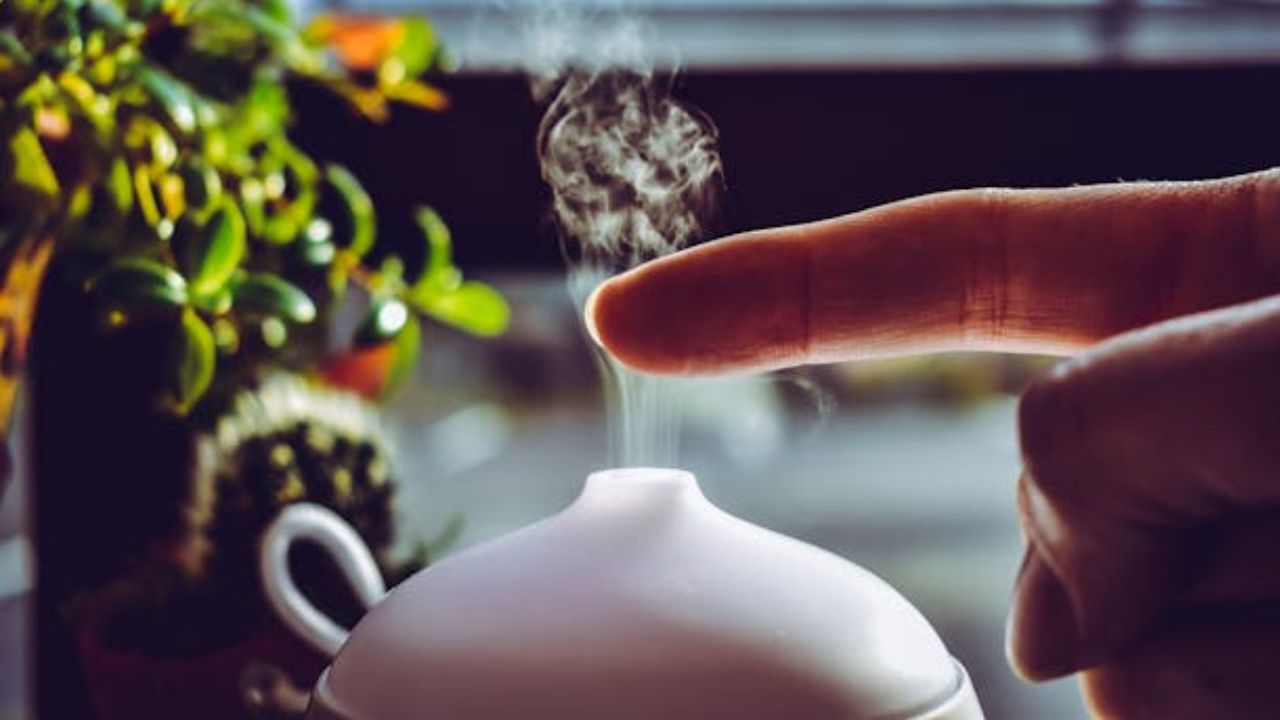
Have you ever noticed that a scent—whether from a cleaning product or a candle—can resonate with you in one room of the house but not in others? You’re not alone!
Scientists at Procter & Gamble conducted extensive studies on which scents resonate most with consumers in different rooms of the house, helping guide the development of their fragrances.
+ Is your bedroom lifeless? 5 designer tips to instantly transform the space
According to Real Simple, Arianna Castro, a scientist at Swiffer at P&G, Kristen Pumphrey, founder of PF Candle Co., and Steve Soderholm, perfumer and co-founder of Ranger Station, revealed the best scents for each room.
The Entryway
You never get a second chance to make a first impression, so make sure your home’s entryway smells great when guests arrive. And not just for guests! After a long day at work, there’s nothing better than walking into a home that smells amazing. “When a guest enters for the first time, you want to make a good impression,” says Soderholm. “I love bold scents with strong top notes—something spicy or citrusy always does the trick.”
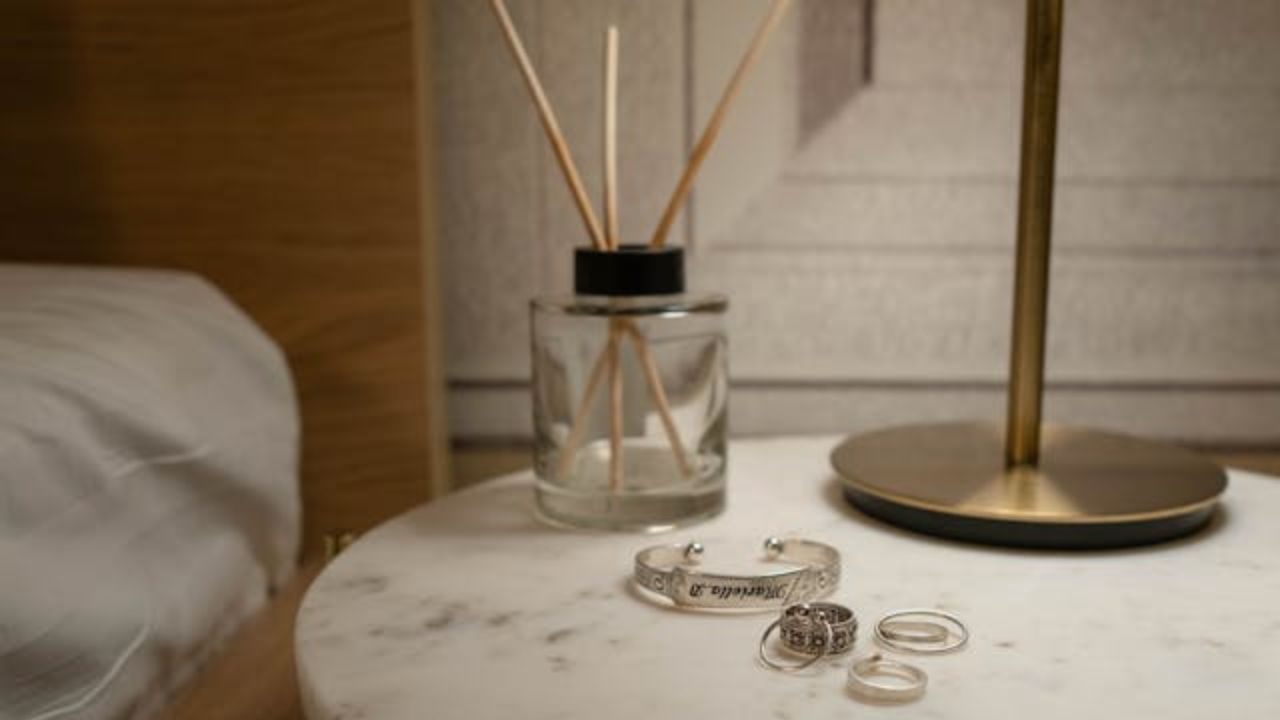
The Bedroom
“In the bedroom, where calmness reigns, we’ve found that consumers gravitate toward soothing scents that promote relaxation and restful sleep,” says Castro. She explains that lavender is a top favorite, along with fresh linen and cotton scents that evoke the comfort of clean, crisp sheets and create a space where relaxation can flourish. Pumphrey says that for a calming vibe, go for lemon verbena, lavender, bergamot, or jasmine. “For a more sensual mood, opt for musks, deep woods, amber, sandalwood, cedar, and gardenia,” she suggests.
Soderholm recommends choosing a scent that’s uniquely yours, since this is your personal space and sanctuary. He says he enjoys using scents with amber notes in the bedroom.
The Living Room
When it comes to the living room, Soderholm likes to choose a scent that remains comfortable over time. “Strong fragrances can be overwhelming to some people, so I prefer foundational scents rather than anything too heavy,” he explains. He suggests warm, woody scents, as they tend to feel comforting to most.
Castro notes that the living room is often the heart of the home. “We’ve found that consumers look for scents that inspire coziness and connection. Tropical fruits, with their vibrant and energizing aromas, bring a sense of adventure and joy, while fresh air notes, lavender, and vanilla create a welcoming environment,” she says, adding that ocean scents can bring a refreshing touch that invites relaxation.
Pumphrey takes a slightly different approach, recommending earthy, cozy, and comforting scents like patchouli, cedar, pine, more cedar, and vanilla, rotating scents to suit the season. “Fruity florals are delightful in spring and summer, while deeper woods and spices are great for fall and winter.”
The Kitchen
The biggest rule in the kitchen? Avoid anything that clashes with cooking smells. “Fresh, herbal, and neutral notes help elevate the space,” says Pumphrey. She suggests scents like rosemary, lavender, basil, chamomile, sage, thyme, mint, lemon, grapefruit, and terpene-based scents like incense and woods.
“Our research shows that consumers prefer citrus scents, which energize the environment and stimulate the senses, creating a refreshing atmosphere,” says Castro. “Fresh air notes blend with crisp apple and pear aromas, creating a clean and inviting space.”
The Bathroom
For the bathroom, Pumphrey recommends strong, clean, and fresh scents like citrus, oakmoss, fruits, eucalyptus, and lavender. Castro adds that fresh and airy fragrances resonate well with consumers, according to their studies.
Soderholm suggests having fun when lighting a candle in the guest bathroom: “It’s a great space to express your personality through scent. Use something playful and unexpected—I like patchouli or vetiver in this space.”
The Dining Room
“When not in use for meals, choose woody, resinous, slightly sweet, and balsamic notes,” says Pumphrey. She prefers scents like resin, oud, labdanum, frankincense, amber, vanilla, tonka bean, and balsam fir. “During meals, go for unscented beeswax candles, which give off a light honey aroma that won’t compete with what’s on your plate,” she advises.
The Office
To keep the ideas flowing, Pumphrey suggests choosing something stimulating, invigorating, and energizing. She recommends scents like rosemary, ginger, mint, bergamot, and soft florals.
Source: RealSimple
This content was created with the help of AI and reviewed by the editorial team.
