
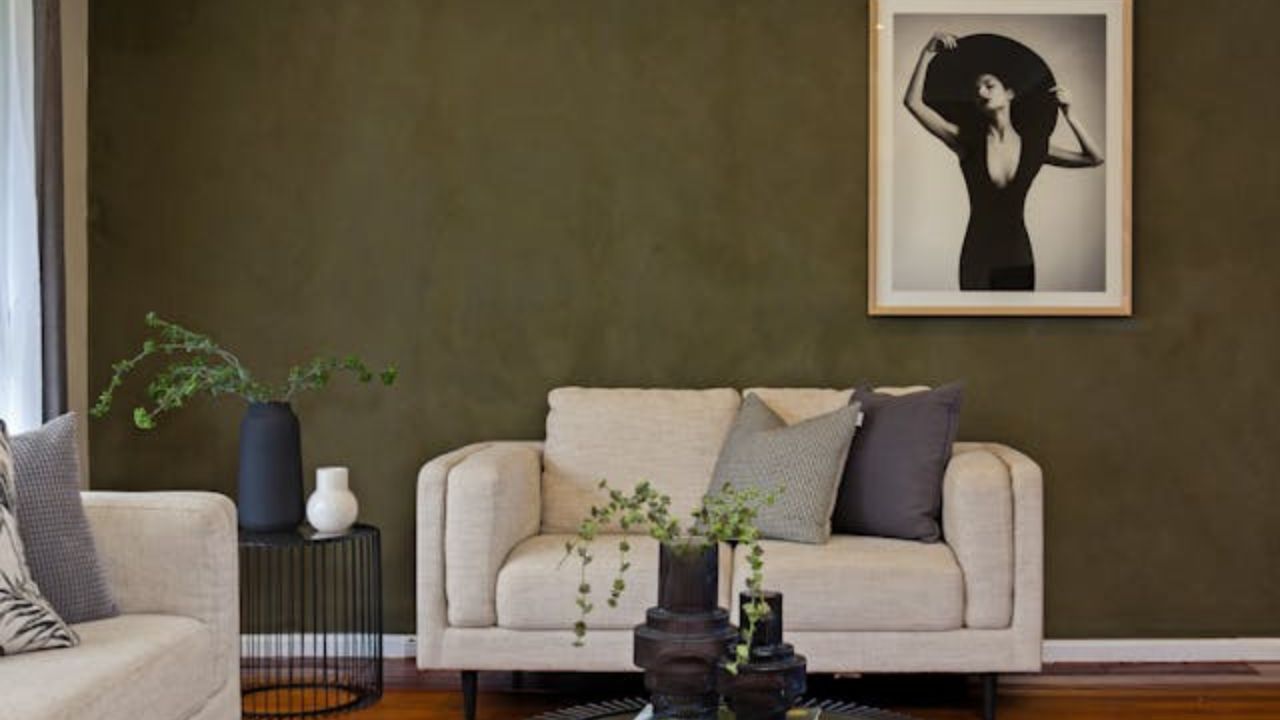
Updating a room’s decor can be easier (and more affordable) than it seems. One of the most effective strategies in interior design is using bold accent wall colors. They create interesting focal points and completely transform a space, without the need to renovate the entire room.
However, choosing the wrong color for your accent wall can lead to regret and quickly make the space feel dated or overwhelming.
So before opening that paint can, check out which wall colors many designers recommend avoiding — and which timeless alternatives ensure a stylish and long-lasting interior.
+ 5 Creative and Stylish Ways to Display Indoor Plants in Your Home Décor
Why is the accent wall color so important?
In interior design, an accent wall has the power to set the tone for a room, create depth, and highlight architectural elements. That’s why it’s crucial to choose shades that match the decor style and can stand the test of time.
While personal taste always matters, some colors can quickly make a space feel outdated. Read on to discover the riskiest choices and how to replace them smartly.
Accent wall colors that may lead to regret
1. Dark and deep tones: black, charcoal, and navy blue
Dark colors are often used to create sophisticated or dramatic environments. However, without proper lighting, these shades can make a room feel heavy, oppressive, and smaller than it actually is.
Pro tip: Use dark tones only in spacious, well-lit areas or apply them to small details like frames or furniture instead of painting an entire wall.
2. Overly vibrant shades: red, orange, and bright yellow
Warm and bold tones are energizing and stimulating, but when used over large areas, they can make the space feel too chaotic, even making relaxation difficult.
How to use them wisely: Try incorporating these colors through decorative accessories or architectural details, ensuring the space remains harmonious and inviting.
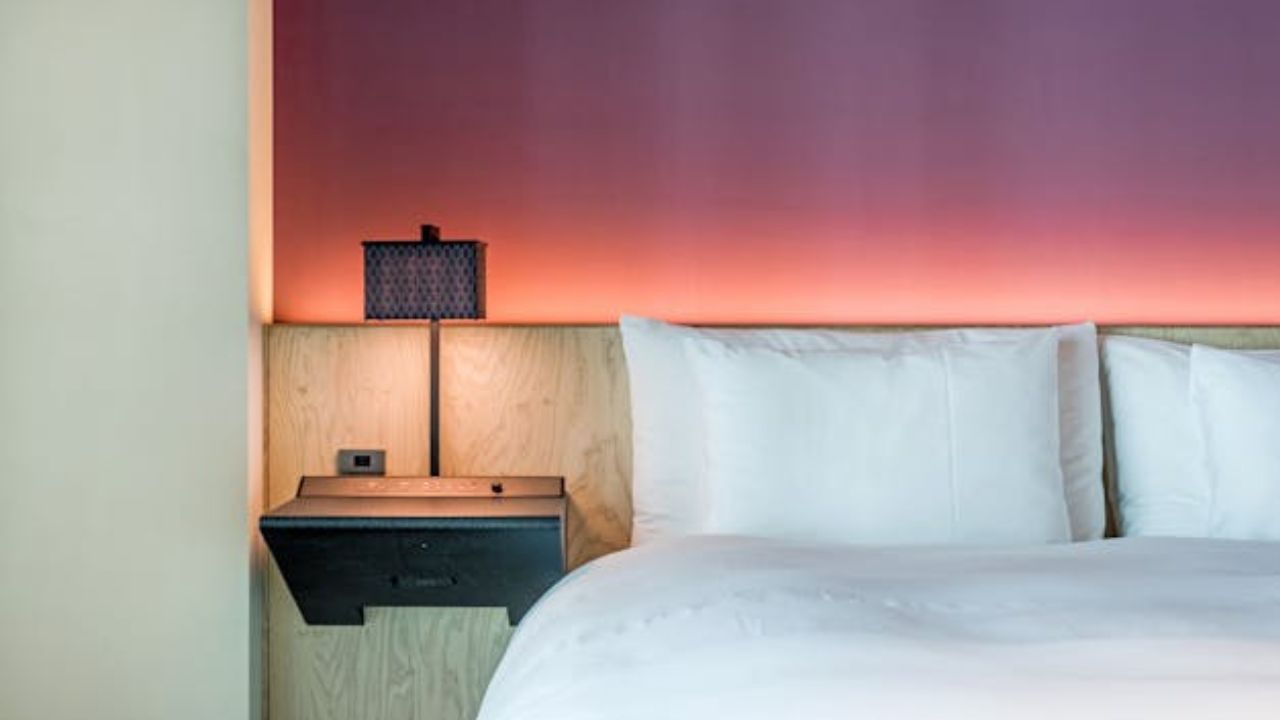
3. Trend-driven colors: millennial pink and barbie pink
In recent years, various shades of pink have dominated decor trends, from soft Millennial Pink to bold Barbie Pink. However, because they’re tied to a specific era, these colors can quickly make your home look dated.
Heads-up: If you love these tones, consider using them in easily replaceable items like pillows, artwork, or decorative pieces instead of committing an entire wall.
Timeless alternatives for elegant accent walls
1. Earthy and sophisticated neutral tones
Soft, natural colors are a safe bet for creating cozy and long-lasting interiors. Try shades like:
- Olive green
- Fig
- Light gray
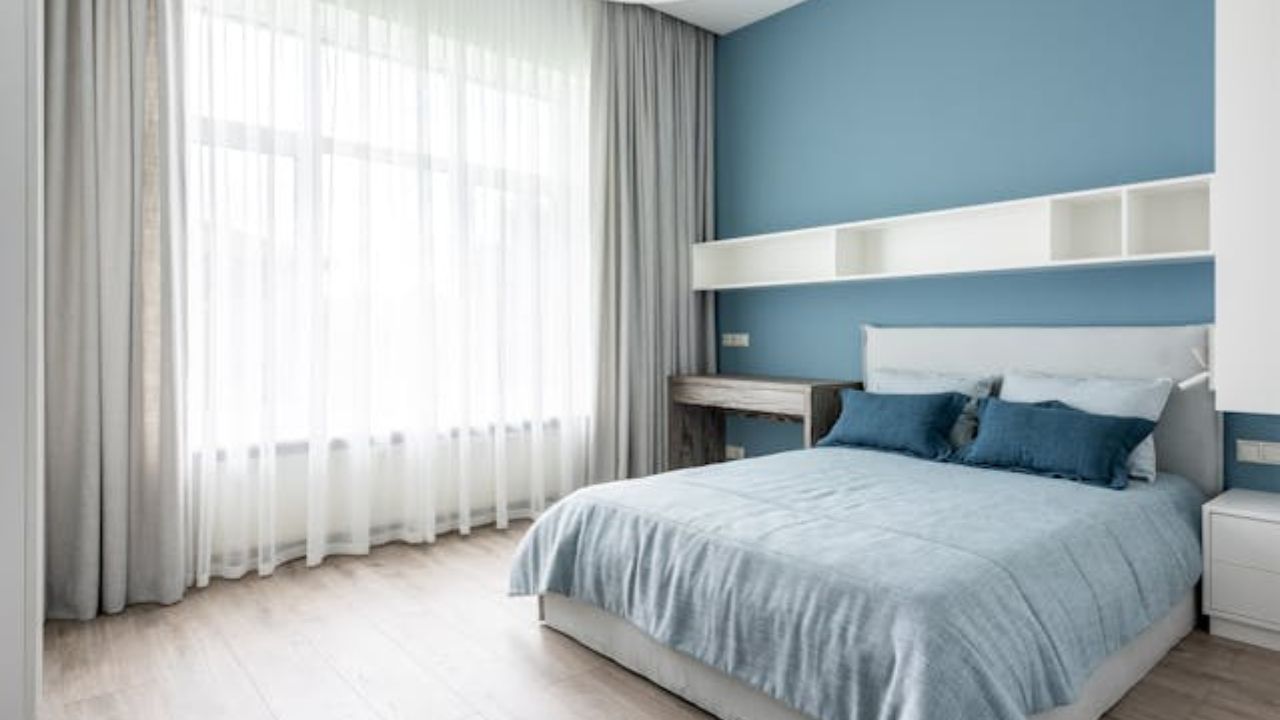
- Sky blue
These colors provide a serene and organic feel, keeping the decor both current and refined.
2. Texture effects: limewash paints and special techniques
Beyond the color choice, finish also makes a big difference. Limewash paints are trending, adding a rustic and romantic touch to spaces. Their natural texture helps conceal imperfections and creates a handcrafted, welcoming effect.
Expert tip: Combine neutral tones with textured finishes for an elegant, timeless accent wall.
3. “Double-Drenching”: the evolution of the accent wall
For those wanting to be bold with elegance, “double-drenching” is a sophisticated trend. It involves painting the wall, trim, doors, and architectural details all in the same color, creating a unified and deep effect without harsh contrasts.
Benefit: This approach enhances structural elements and gives the space a cohesive and contemporary feel.
4. Timeless wallpaper
Another smart way to transform a wall without risk is choosing wallpaper with classic or subtle patterns. It can soften bold colors and add personality without sacrificing elegance.
Suggestion: Opt for soft geometric prints, stripes, or nature-inspired designs to keep the decor charming over time.
How to choose the right accent wall color
The key to picking the perfect accent wall color lies in balancing personality, style, and timelessness. Avoid highly trendy or overly intense colors on large surfaces, and go for shades that harmonize with the rest of the decor and offer long-lasting appeal.
Whether through soft tones, unique painting techniques, or elegant finishes, there are many ways to transform a space without falling for fleeting trends.
Source: Hunker
This content was created with the help of AI and reviewed by the editorial team.
