
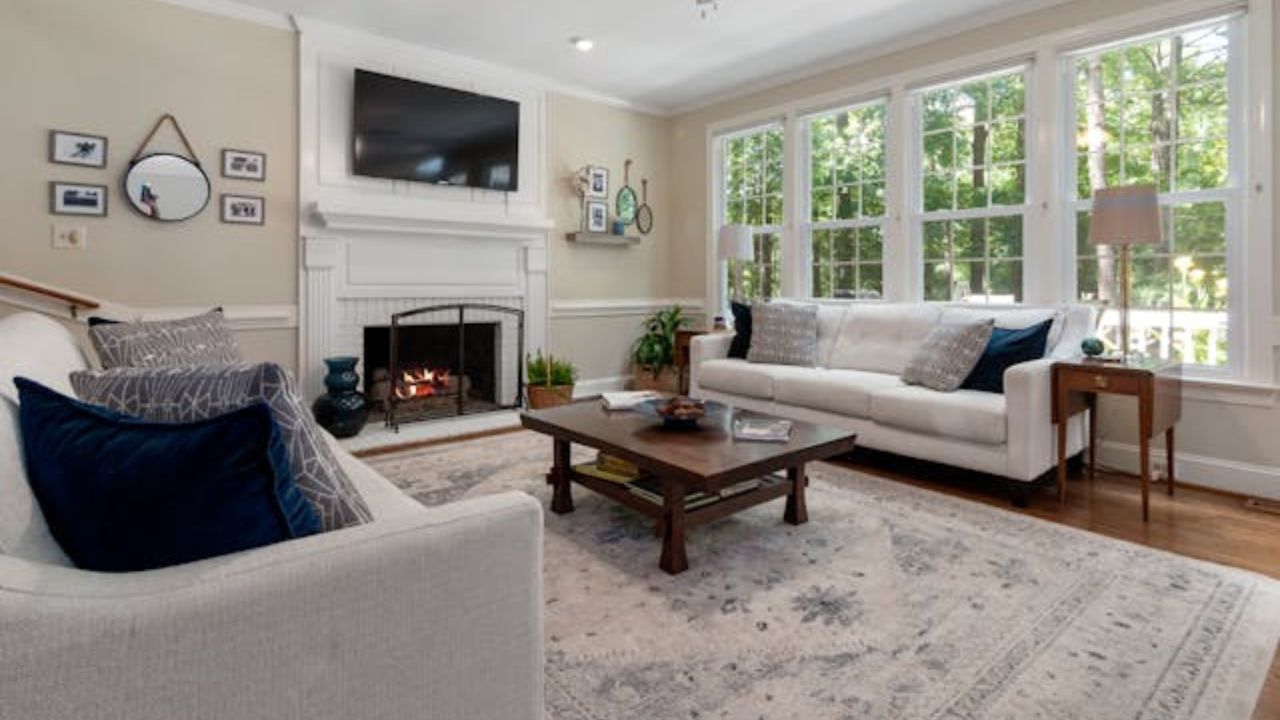
As an interior design expert, I affirm that minimalism is much more than an aesthetic: it’s a lifestyle philosophy that brings balance, functionality, and a deep sense of tranquility to any home.
If you’re looking to transform your home into a minimalist haven, with organized spaces, visual cleanliness, and plenty of personality, check out these 12 minimalist home ideas that blend practicality and elegance in every detail.
+ 10 ways to refresh a boring living room without spending a fortune
1. Neutral color palette and soft tones: the foundation for a calm environment
To create a minimalist space that conveys serenity, choose neutral and light colors such as ice white, off-white, beige, light gray, and soft earthy tones. These shades serve as the perfect backdrop to highlight architectural details and furniture, reflect natural light, and visually expand the space, promoting a sense of calm.
2. Straight-lined, simple, and multifunctional furniture
In minimalist design, each piece of furniture should have a clear purpose and contribute to the room’s balance. Opt for pieces with clean lines, smooth surfaces, and natural materials like light wood or metal. Invest in multifunctional furniture like sofa beds, tables with hidden compartments, or modular shelving to optimize space without sacrificing style.
3. Reducing excess: let go to highlight the essential
One of the pillars of minimalism is letting go. Carefully curate your belongings, avoiding the accumulation of items that aren’t useful or emotionally significant. Keep only what brings joy and functionality, creating lighter spaces free of visual clutter.
4. Natural light as the main feature
Taking advantage of natural light is key in any minimalist design. Large windows, glass doors, and sheer curtains allow light to flow through and highlight textures and soft colors. Artificial lighting should be discreet and efficient, with recessed fixtures or simple pendant lights that complement the space.
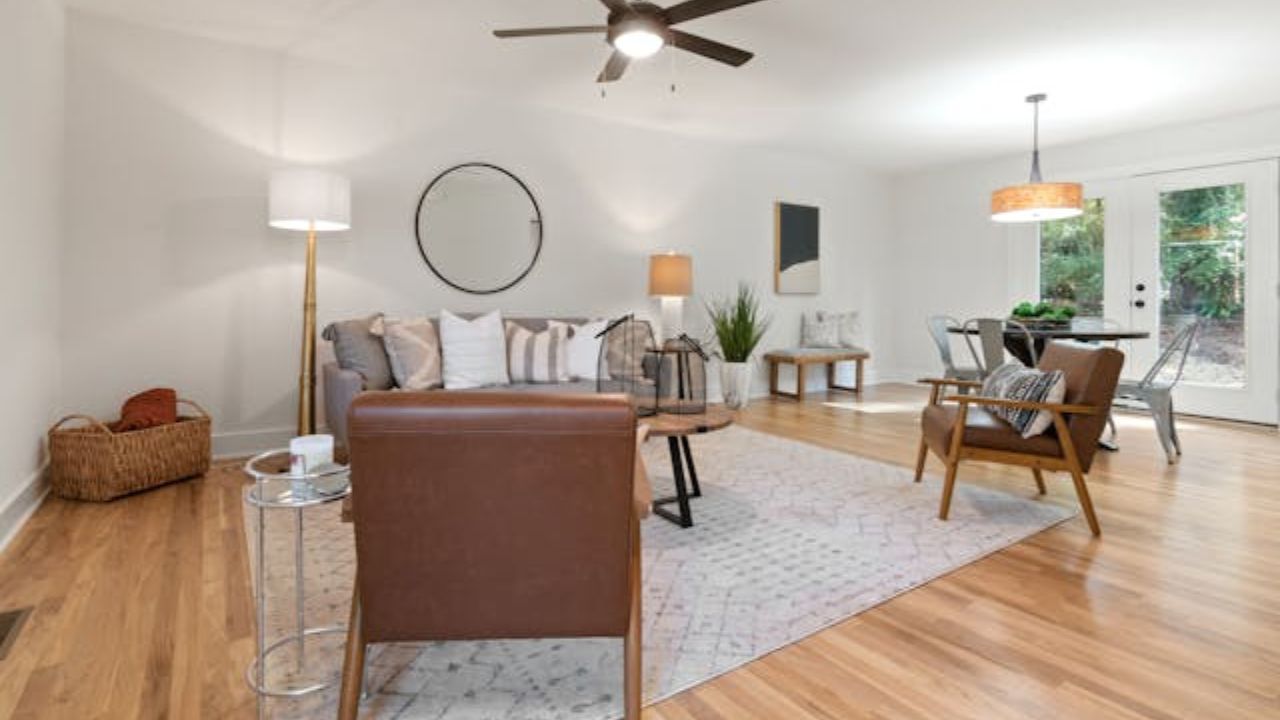
5. Practical organization with smart solutions
To maintain a minimalist and functional space, invest in smart storage solutions: built-in niches, organizing drawers, and discreet decorative boxes. Keep surfaces clutter-free to enhance the sense of openness and make daily cleaning easier—essential for preserving minimalist style.
6. Natural elements to warm up the environment
While minimalism values simplicity, incorporating natural elements like easy-care green plants, natural fibers, light wood, and stone can add warmth and texture, creating a welcoming atmosphere. Simple pots and wooden furniture with natural finishes harmonize perfectly with the minimalist aesthetic.
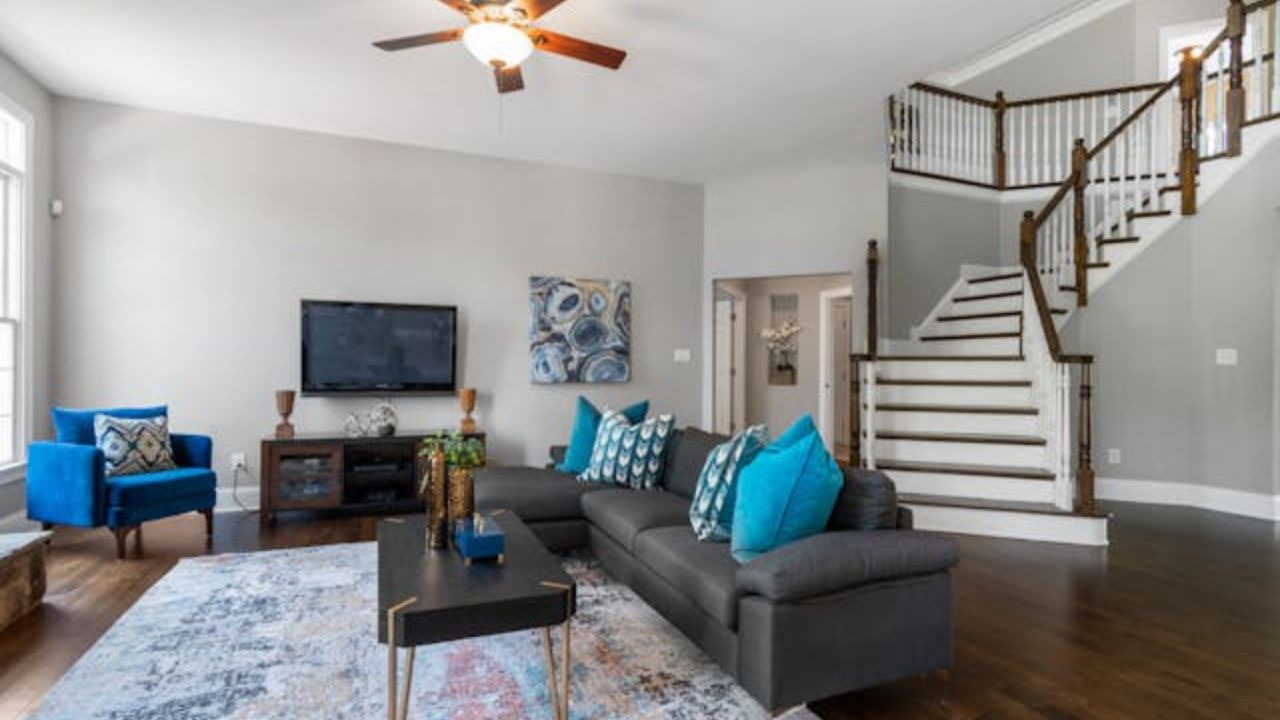
7. Minimalist art to personalize with elegance
Decorate your walls with artwork that follows the clean lines of the room. Black-and-white photos, abstract paintings with few colors, or minimalist sculptures help add personality without overwhelming the space. Choose thin, neutral-colored frames to maintain visual harmony.
8. Light, natural, and textured fabrics
Rugs, pillows, and curtains in natural fabrics like linen, cotton, and wool complete the minimalist project by adding texture and comfort without visual weight. Stick to neutral colors and subtle patterns to preserve the space’s softness.
9. Integrated environments and flow to expand spaces
Minimalist design favors open and integrated environments that encourage flow and interaction. Consider removing unnecessary walls or using light dividers to create continuous movement between living areas, kitchens, and social spaces, enhancing the feeling of spaciousness.
10. Discreet technology integrated into the design
Technology should be present but subtle. Built-in appliances, voice control, and smart automation systems help keep the aesthetic clean without visible wires or devices that disturb visual harmony.
11. Matte metal details and refined finishes
For a sophisticated and contemporary touch, go for matte metal details like black, copper, bronze, or brushed stainless steel. These finishes—used in handles, lighting, and accessories—create elegant focal points without compromising design simplicity.
12. Cleaning and maintenance routine to preserve harmony
A minimalist space requires consistent care to remain tidy and pleasant. Create a simple and efficient cleaning routine, avoid cluttering, and periodically reassess what can be removed or relocated to keep the environment fresh, functional, and inspiring.
Investing in these minimalist home ideas is a reliable way to create a space that combines beauty, tranquility, and functionality. Minimalist design goes beyond aesthetics—it’s an invitation to a lighter, more organized life focused on what truly matters.
This content was created with the help of AI and reviewed by the editorial team.
