
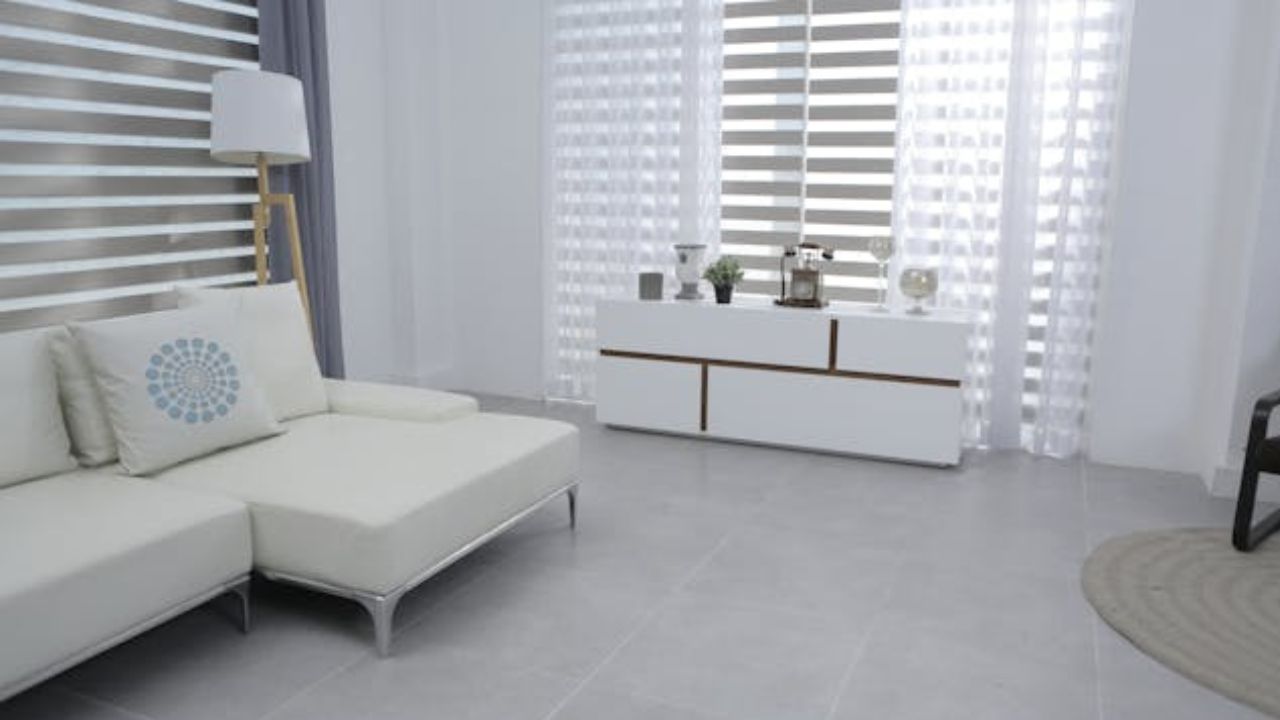
You may not have noticed, but porcelain is quietly losing ground in the most sophisticated interior design projects of the moment.
That polished, cold, and perfectly patterned porcelain is giving way to something softer, more continuous, and more refined: microcement.
This isn’t just an aesthetic choice. It marks a shift in mindset within interior design. Less shine, more texture. Fewer joints, more fluidity. Less rigidity, more sensorial appeal.
The surface that doesn’t need attention to stand out
Unlike porcelain, microcement has no seams. It coats floors, walls, countertops, and even furniture in a thin but incredibly durable layer, creating seamless spaces with no visual breaks. The result is a clean, minimalist, and ultra-contemporary look.
Despite common belief, microcement is far from fragile. On the contrary — it’s resistant to moisture, impact, temperature changes, and abrasion. That’s why architects are choosing it for projects ranging from compact bathrooms to expansive commercial interiors.
No rubble, no major construction, no stress
One of microcement’s greatest advantages lies in its application. It can be installed directly over existing surfaces — like tile, concrete, wood, or marble — meaning less demolition, less debris, and less time wasted. For anyone who’s lived through a renovation, that’s nearly a miracle.
Plus, its minimal thickness (around 2 mm) means it won’t interfere with doors, baseboards, or existing structures. Best of all? The finish can be matte, satin, or subtly glossy, with customizable colors ranging from raw concrete tones to warm, elegant shades.
Purposeful design: when aesthetics meet functionality
Choosing microcement isn’t just following a trend — it aligns with a global aesthetic that values the essential, the natural, and the lasting. It’s the kind of material that brings calm, enhances light, and invites reflection.
Its jointless, continuous, and soft-to-the-touch finish pairs perfectly with designs that prioritize well-being, spatial integration, and elegant neutrality. Microcement spaces feel like they can breathe. And that visual lightness is in tune with what contemporary interior design seeks to offer.
From Japan to Scandinavia, from industrial lofts to minimalist spas
It’s no coincidence that microcement is gaining traction in places like Barcelona, Stockholm, Kyoto, and São Paulo. It complements a range of styles — from industrial to wabi-sabi, from rustic chic to ultramodern.
Its use goes far beyond floors and walls: the material is also found in kitchen counters, integrated sinks, built-in niches, and even external facades. Versatile, discreet, timeless.
You’ll want to replace your tiles with microcement soon
Where porcelain was once the go-to answer, microcement now poses the right question at the right time: how to create lasting, beautiful, and welcoming spaces without sacrificing practicality?
And that question is being answered with a new texture, a new way of thinking about the home, and a new way of relating to space.
This content was created with the help of AI and reviewed by the editorial team.
