
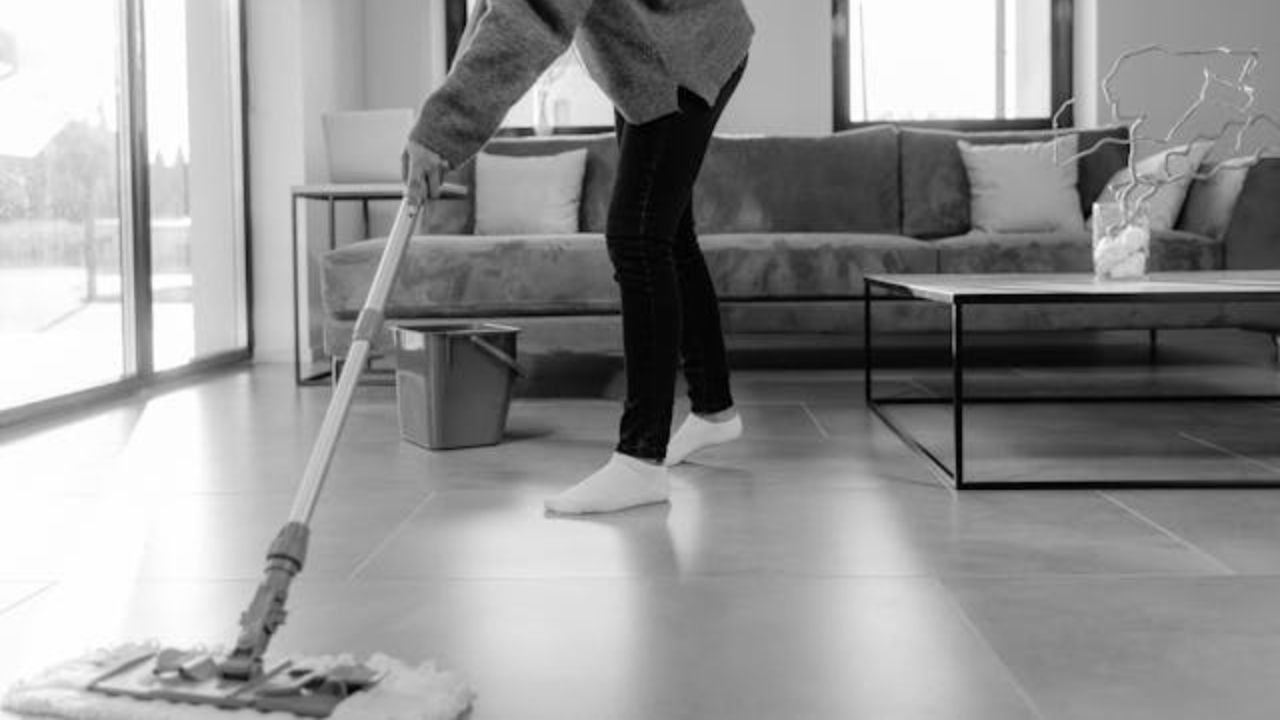
Dusting may seem like a simple task — but when done the wrong way, it can actually spread even more dirt throughout your home.
+ 7 things you should never plug into a power strip — and why this can cause damage
The dust in our homes is made up of dust mites, dead skin cells, textile fibers, outdoor pollution and microscopic particles that quickly accumulate on surfaces, fabrics and electronic devices.
If you feel that, even after cleaning, the space still looks dull, smells stuffy or feels dirty, you may be making classic mistakes that compromise proper hygiene.
Below, we list 8 common dusting mistakes that are making your home dirtier than you realize — and how to fix them.
1. Using only a traditional feather duster
Although practical, a feather duster releases particles and simply lifts the dust instead of removing it. The result? The dirt leaves the shelf… and goes back into the air.
What to do: choose microfiber cloths and electrostatic products that efficiently capture particles without spreading them.
2. Cleaning without dampening the cloth
Cleaning with a dry cloth only moves dust from one place to another.
What to do: lightly dampen the cloth with water or a neutral solution. This creates adhesion and ensures the dust is actually collected.
3. Not starting from top to bottom
Cleaning the table and only then the chandelier: a classic mistake. Dust always falls — meaning the already-clean surface will get dirty again.
What to do: follow the logic ceiling → shelves → tables → baseboards. This way, you never redo the work.
4. Ignoring filters, exhaust fans and air conditioning
These appliances are the biggest accumulators and recirculators of dust in the home. If the filter is dirty, it sends the dirt right back into the room.
What to do: clean filters monthly and replace them according to the manufacturer’s instructions.
5. Forgetting curtains, rugs and cushions
Fabrics easily collect dust — and release particles with every touch, breeze or movement.
What to do: wash curtains and cushion covers regularly and use a vacuum cleaner with a HEPA filter on fabrics.
6. Skipping the cleaning of fans and light fixtures
Light bulbs, pendant lights and ceiling fans collect invisible dust that, when heated, creates a burnt smell and airborne residue.
What to do: turn off the appliances and clean with a slightly damp microfiber cloth, avoiding excess water.
7. Using the wrong product on surfaces
Greasy polishes, unsuitable waxes and scented sprays can attract more dust and even stain furniture.
What to do: apply products specific to each material (wood, lacquer, steel, glass, marble) and avoid excessive fragrances.
8. Not vacuuming before dusting
Wiping surfaces without vacuuming first causes particles to rise and resettle in the environment, along with dust mites and debris.
What to do: always vacuum first, using a HEPA filter, and only then finish with a damp cloth.
How to dust properly and reduce allergies
- Clean once a week
- Choose microfiber over flannel
- Change bed linens weekly
- Avoid open windows on very windy days
- Use an air purifier whenever possible
These practices reduce the spread of dust mites, mold and airborne particles, making the home healthier, brighter and free of visible buildup on surfaces.
Conclusion
Dusting is not just about wiping with a cloth — it is an essential maintenance technique. By adjusting small habits, cleaning becomes more efficient, the air feels lighter and the sensation of a consistently clean home finally appears.
This content was created with the help of AI and reviewed by the editorial team.
