
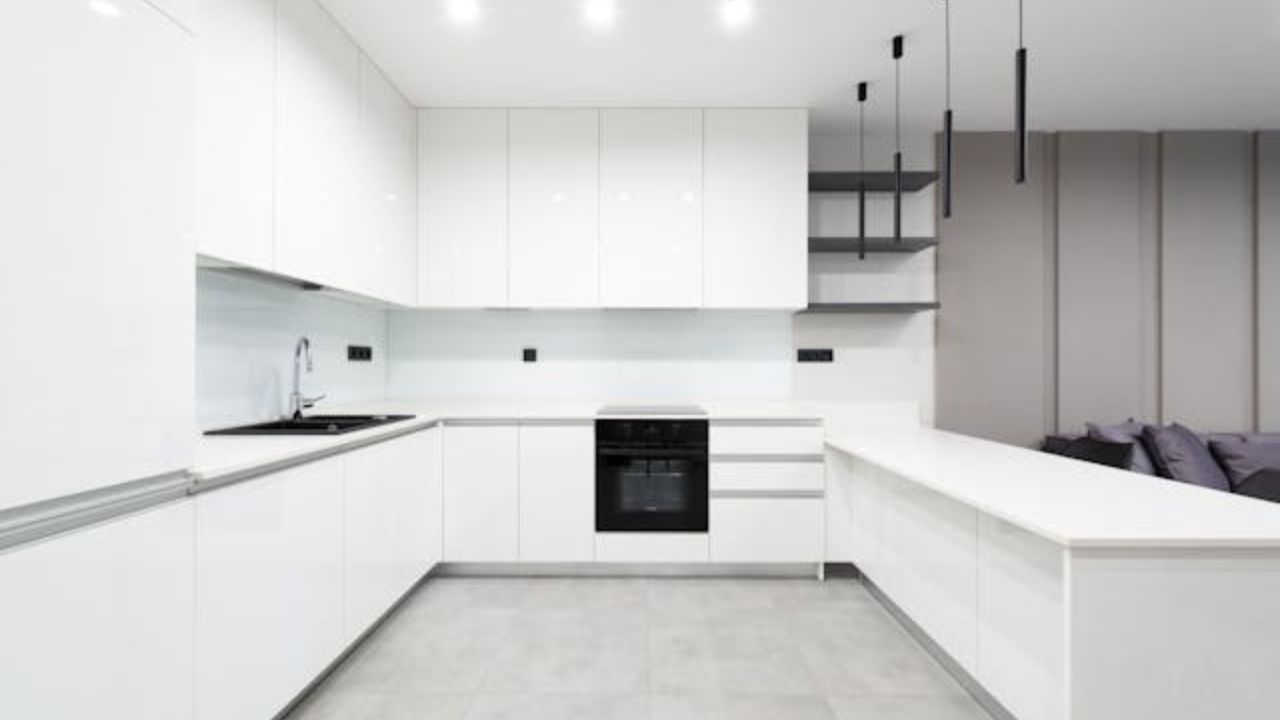
The kitchen is the heart of the home: it’s where we prepare meals, spend time with family, and welcome friends. That’s why the choice of wall, cabinet, and detail colors influences not only aesthetics but also mood, space perception, and even appetite.
+ Vintage kitchen utensils that could be worth a fortune
Some colors, although attractive for a kitchen, can create unwanted effects and make the space tiring, cold, or cramped. See below the 6 worst colors for kitchens and smart alternatives.
1. Very vibrant yellow
Yellow is cheerful and sunny, but fluorescent or overly saturated shades can quickly tire the eyes and create a sense of visual chaos. In small kitchens, this color can make the space feel even smaller and more cramped.
How it impacts the environment: excess visual energy, a sense of restlessness and distraction. It can also highlight stains and dirt, making maintenance more complicated.
Smart alternative: mustard tones, burnt gold, or pastel yellow bring warmth and brightness without overwhelming. They can be used on accent walls, shelves, or decorative details, keeping the kitchen elegant and welcoming.
2. Intense red
Red stimulates appetite and brings energy, but on walls and large surfaces it can cause anxiety or a sense of aggressiveness. In small spaces, intense red reduces the perception of space.
How it impacts the environment: increases the feeling of pressure and can make the space feel visually heavy.
Smart alternative: earthy tones, burnt brick, burgundy, or deep red add personality without overwhelming. Perfect for a backsplash, islands, or cabinet details, keeping the kitchen vibrant yet balanced.
3. All black
Black is sophisticated and elegant, but on kitchen walls it can create a closed, cold, and unwelcoming environment. Additionally, dirt, grease, or splashes are easily noticeable.
How it impacts the environment: sense of reduced space, difficulty in lighting, and greater need for upkeep.
Smart alternative: graphite, charcoal, or dark gray work better in details, furniture, or appliances, while walls remain light. The contrast brings sophistication without making the space heavy.
4. Neon or highly saturated green
Fluorescent or very vibrant greens can be visually uncomfortable and difficult to match with cabinets, utensils, and appliances.
How it impacts the environment: sense of artificiality and visual fatigue, while reducing harmony with natural materials like wood and stone.
Smart alternative: soft greens such as mint, olive, or grayish green bring freshness, tranquility, and a connection with nature, leaving the space modern and relaxing.
5. Very dark blue
Deep blue, though elegant, can make the space feel cold and uninviting, especially if the room lacks abundant natural light.
How it impacts the environment: sense of isolation and cooling of the space.
Smart alternative: gray-blue, teal, or pastel shades balance sophistication and lightness. They can be used on accent walls, shelves, or cabinets, creating depth without darkening the space.
6. Pure white (too much)
White is classic and brightens any kitchen, but if used excessively it can create a cold, impersonal space that is hard to maintain. Stains and dirt become more visible, increasing the need for constant cleaning.
How it impacts the environment: sense of sterility, lack of personality, and ongoing maintenance needs.
Smart alternative: off-white, cream, or sandy tones warm the space and combine well with wood, metals, and colorful details, keeping the kitchen cozy and elegant.
Extra interior design tips for kitchens
- Mix neutrals and pops of color: light walls with colorful cabinets or a vibrant backsplash create balance.
- Consider lighting: dark colors work better in well-lit kitchens, while light tones expand small spaces.
- Use color in details: if you don’t want to apply it throughout the kitchen, opt for colorful chairs, utensils, or shelves.
- Balance is everything: avoid highly saturated colors on large surfaces; prefer contrasts and soft tones to create harmony.
Choosing the right kitchen color goes far beyond aesthetics: it influences mood, appetite, and overall well-being. With these guidelines, you’ll ensure a functional, welcoming, and stylish kitchen.
This content was created with the help of AI and reviewed by the editorial team.
