
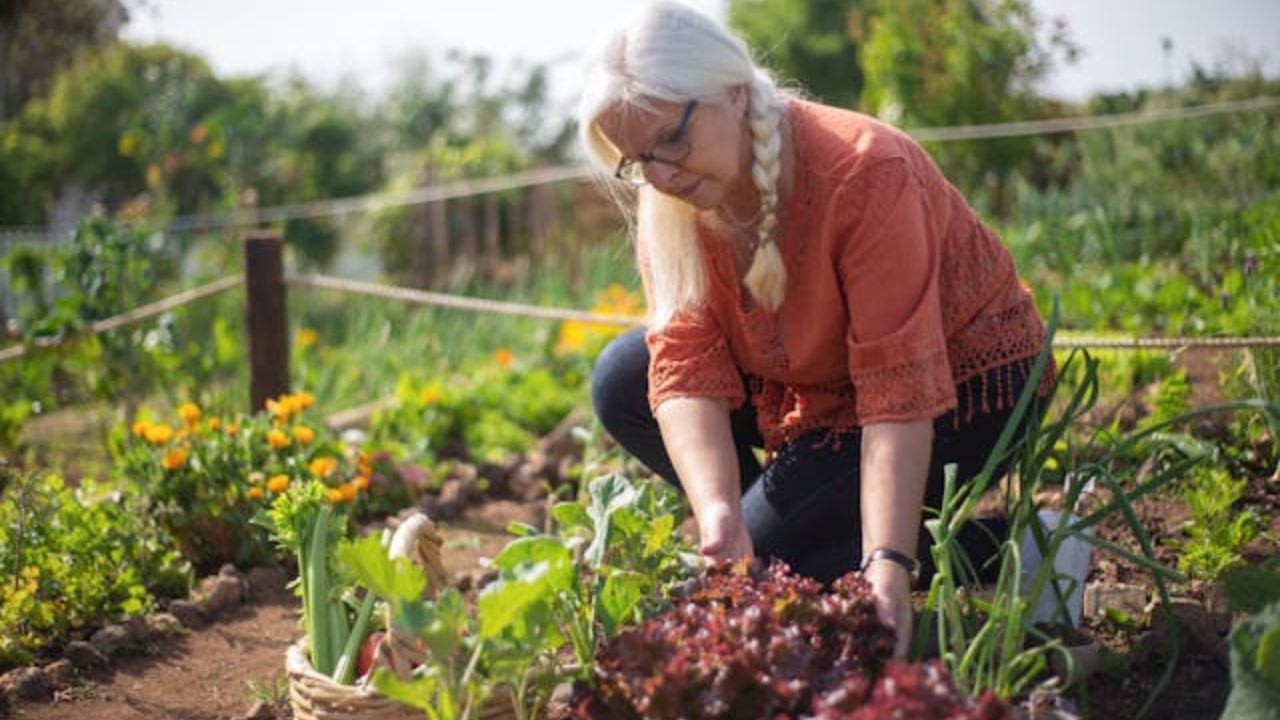
Tending a garden requires more than watering and fertilizing. Some plants live together in perfect harmony, but others come into conflict when sharing the same space — competing for nutrients, attracting pests, and even hindering each other’s growth.
+ 5 Easy, Low-Maintenance Privacy Plants to Protect Your Garden
According to AOL, knowing which plant species should not be grown together can save time, energy, and frustration. Here are the pairs you should always keep separated in your garden.
1. Tomatoes and corn
Although they may seem like the perfect summer pair, tomatoes and corn attract the same pests — especially the corn earworm, which also attacks tomatoes. In addition, corn grows tall and shades the tomato plants, which need full sun. Keeping them apart is essential to ensure a healthy harvest.
2. Carrots and dill
Although they may look like “close relatives,” carrots and dill don’t get along. Dill releases substances that hinder carrot development, causing crooked, stunted roots. It can also attract carrot rust flies, which destroy the crop. The result? Small, low-quality carrots.
3. Beans and onions
Beans are excellent for fixing nitrogen in the soil, but onions interfere with this process, making the crop weaker and less productive. To make matters worse, beans produce fewer pods and struggle to grow when near garlic, chives, or leeks — all members of the onion family.
4. Potatoes and tomatoes
Belonging to the same botanical family is a problem here. Tomatoes and potatoes compete for the same nutrients and are vulnerable to the same diseases, especially blight. This disease can quickly devastate both crops, leaving the bed in ruins. In addition, potatoes require deep soil, which hinders tomato development.
5. Cucumbers and sage
Cucumbers like moisture and space to spread, while sage prefers dry, less fertile soil. When grown side by side, their growth requirements clash, and even the flavor of cucumbers can be affected by the presence of the aromatic herb. It’s better to keep sage with other herbs and pair cucumbers with more compatible companions, like beans or radishes.
6. Strawberries and cabbage
Strawberries are delicate, while cabbages and other brassicas are robust plants that consume a lot of space and nutrients. Cabbage weakens the strawberry plants, reducing fruit production. In addition, its dense canopy creates shade that further harms strawberries.
Keep the peace in your garden
A healthy garden depends as much on what you plant together as on what you keep apart. According to AOL, avoiding problematic combinations like these ensures stronger plants, more abundant harvests, and fewer headaches for the gardener. After all, in the garden, just like in a neighborhood, some neighbors simply don’t get along.
Source: AOL. This content was created with the help of AI and reviewed by the editorial team.
