
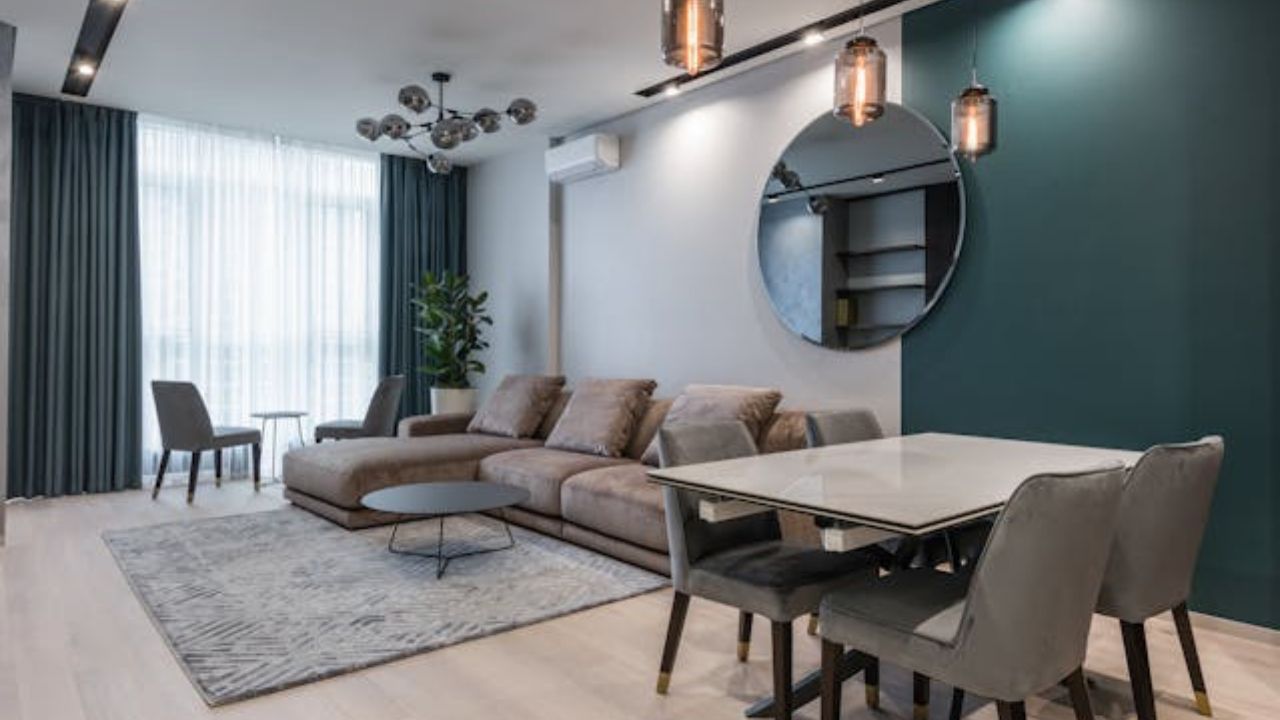
For years, decorating rules were treated almost like universal laws: don’t mix styles, avoid dark colors in small spaces, furniture always against the wall.
+ This shower detail is one of the smartest choices for the bathroom
But the truth is that interior designers break these decorating norms all the time — and often that’s exactly what makes a project interesting, cozy, and full of personality.
Below are some of the most well-known “rules” in design that professionals ignore without guilt — and understand why you can (and should) rethink them too.
1. “Small spaces need to be light”
While light colors do help reflect light, designers often use dark tones in small spaces to create depth, coziness, and visual impact. A small bathroom or bedroom can look much more elegant with walls in deep shades like navy blue, moss green, or graphite.
2. “Never mix metals”
For a long time, the idea was to choose a single metallic finish and stick to it strictly. Today, designers mix brass, chrome, matte black, and nickel to create visual layers and make the space more interesting — as long as there is balance and intentional repetition.
3. “Everything must match”
Professional projects rarely follow obvious combinations. Mixing styles, colors, and references creates more authentic spaces. The secret is not to match everything, but to create dialogue between pieces through texture, proportion, or color palette.
4. “Furniture should be against the wall”
Pushing all furniture to the walls can make a space feel cold and lifeless. Designers often place sofas, armchairs, and tables away from walls, creating cozier living areas and better circulation — even in smaller spaces.
5. “Rugs should be small and discreet”
A rug that is too small can “break” the space. Decorating professionals often choose large rugs that accommodate at least the front legs of furniture, helping define areas and bring a sense of unity and comfort.
6. “Neutral walls are safer”
Neutrals are timeless, but designers aren’t afraid of color. Bold tones, murals, striking wallpaper, or even a fully colored wall can completely transform a space, making it memorable and full of character.
7. “Main lighting is enough”
A single central light point rarely works well for a space. Professional projects always work with layers of lighting — general, functional, and decorative — creating more comfortable and versatile atmospheres throughout the day.
8. “Symmetry is always the best choice”
While symmetry conveys order, designers use asymmetry to create dynamism. Intentionally misaligned artwork, different lamps on each side of the sofa, or distinct side tables make the room’s decoration feel more natural and interesting.
9. “New pieces make the space prettier”
Designers value items with history. Mixing new pieces with vintage furniture, inherited objects, or antique finds adds depth, personality, and charm that can’t be bought ready-made.
10. “Trends must be followed”
Professionals keep up with trends, but don’t follow them blindly. Instead, they adapt what makes sense to the resident’s lifestyle. A good project is timeless, functional, and personal — not just current.
Why breaking rules works
The so-called “decorating rules” are actually guidelines created to avoid common mistakes. But when you understand the principles behind them, you can adapt them to your own reality. Designers break rules because they know when and how to do it without compromising harmony, comfort, or functionality.
In the end, the best project is the one that reflects who you are, how you live, and what makes you feel good at home — even if it means going against the traditional decorating manual.
This content was created with the help of AI and reviewed by the editorial team.
