
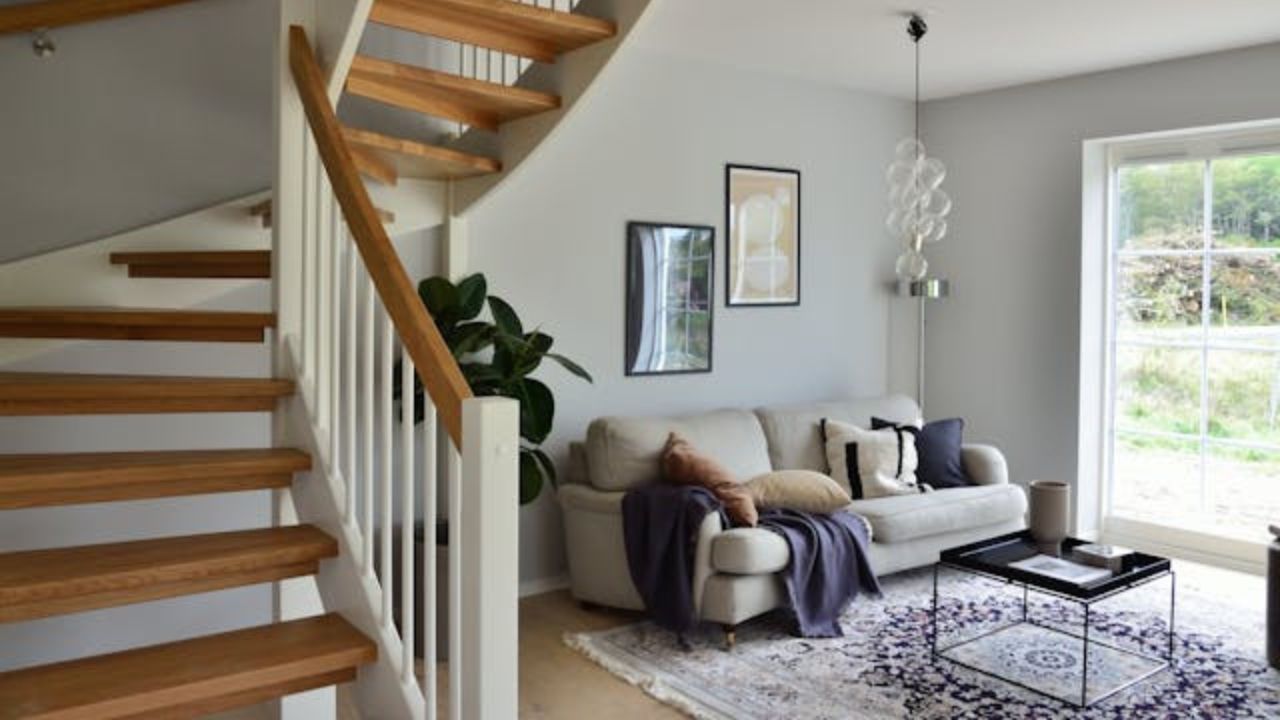
Have you ever wondered what an interior designer notices first when entering a home? Believe it or not, behind a beautiful space are strategic choices — and also common mistakes that can completely undermine a room’s style, comfort, and functionality.
+ These Are the Most Relaxing Paint Colors for Any Room in the House
I spoke with several professional designers, and they all agreed: there are certain missteps that, even if unintentional, reveal amateur decorating. The good news? All of them are easy to fix with the right tips.
Check out the 10 decorating mistakes experts instantly spot — and learn how to avoid them to transform your home into a more harmonious and sophisticated space.
1. Curtains that are too short
This is one of the most common mistakes — and it’s immediately noticeable to a trained eye. Curtains that hang above the window frame or don’t reach the floor make ceilings look lower and visually shrink the space.
Designers always recommend that curtains go from ceiling to floor, even if the window is small. This creates verticality, elongates the space, and adds instant elegance. The fabric choice also matters: lightweight materials like linen or voile let light in gently and add a sense of softness.
2. Rugs in the wrong size
An ill-fitting rug can devalue even the nicest furniture. Small rugs used only under the coffee table, for instance, make the space feel smaller and poorly planned.
According to designers, at least the front legs of sofas and chairs should sit on the rug. In dining rooms, the rug should extend beyond the chairs even when pulled out, to ensure comfort and visual proportion.
3. Poor lighting distribution
Lighting is essential for the ambiance of any room. Most homes rely on a single overhead light, which creates flat, uninspiring spaces.
Designers recommend layered lighting: general lighting (ceiling), task lighting (like reading lamps or pendants above a counter), and accent lighting (table lamps, sconces, indirect lights). This variety of light sources makes a space more inviting, functional, and professionally styled.
4. Furniture pushed up against the walls
Though it might seem like placing furniture against the walls creates more space, the visual effect is often the opposite. Rooms with all furniture lining the edges lose depth and flow.
Designers prefer to create conversation zones: arranging sofas and chairs to face each other with a clear center (usually anchored by a rug and coffee table). Even a small pull-away from the wall makes a space feel more intentional and refined.
5. Lack of personality
When a home looks like a store display or magazine layout with no personal elements, it loses the warmth of a lived-in space. Designers pick up on this immediately.
A space with personality reflects the lives of its residents: books, meaningful art, travel mementos, crafts, family photos. These personal touches bring authenticity and emotional connection to the room.
6. Poorly positioned artwork
Hanging art too high (or too low) breaks the visual balance of a wall. Designers follow a basic rule: the center of the piece should be at eye level, around 1.5 meters (or 60 inches) from the floor.
Also, scale matters. A small piece on a large wall looks lost. In that case, opt for a larger piece or group smaller works into a gallery-style arrangement.
7. Overcrowded rooms
Too much furniture, too many objects, too many colors — excess leads to visual clutter and stress. Designers always emphasize the need for a space to “breathe.” A visually balanced room feels more functional, calming, and elegant.
Follow the “less is more” principle. Choose fewer, impactful pieces over many small items. Ask yourself if every item on display is really necessary. Curating your space is just as important as the items you buy.
8. No plants or natural elements
Natural elements connect a space to well-being. Plants, wood, stones, and natural fibers aren’t just design trends — they bring life, freshness, and energetic balance.
Even a small plant on a shelf makes a difference. If you don’t have time or skills for plant care, go for low-maintenance species like pothos, ZZ plants, or succulents. Designers also love grouping planters of varying heights and shapes for dynamic arrangements.
9. Poorly coordinated color palettes
Mixing bright colors, prints, and textures without cohesion can make a space feel chaotic. Designers notice this immediately, and often the feeling that “something’s off” comes from poor color harmony.
The recommendation is to choose a base palette of 2–3 main colors and use tonal variations. Neutral walls work well as a backdrop, while color pops can come through accessories, pillows, artwork, and throws. Use a color wheel to help create balanced combinations.
10. Forgetting comfort
A space that looks good but lacks functionality might impress at first but quickly loses its charm. Designers can immediately tell if a space was made just “to look nice” but isn’t comfortable to live in.
This includes stiff sofas, uncomfortable chairs, hard-to-clean surfaces, or poor circulation paths. True sophistication lies in the balance between form and function. A well-designed home is one that welcomes you — a place you want to stay in.
A professional eye makes all the difference
Interior designers are trained to catch subtle but impactful mistakes. By avoiding these 10 pitfalls, you’ll make your home more pleasant, functional, and beautiful — no full renovation required.
With small adjustments, you can completely change how a room feels and create a space that truly reflects who you are, with more comfort and harmony.
This content was created with the help of AI and reviewed by the editorial team.
